

As concerns about data privacy, regulatory compliance, and third-party tracking continue to rise, many organizations are rethinking their reliance on traditional website analytics platforms. While Google Analytics remains one of the most widely used tools, privacy-focused businesses are increasingly exploring alternatives that prioritize transparency, data ownership, and minimal data collection.
TLDR: Privacy-focused analytics tools offer website insights without invasive tracking, third-party data sharing, or cookie dependency. Platforms like Plausible, Matomo, Fathom, Simple Analytics, Umami, and Piwik PRO provide GDPR-friendly tracking with improved transparency and control. These tools are ideal for businesses that value user trust, regulatory compliance, and ethical data practices. Choosing the right solution depends on hosting preferences, budget, and feature requirements.
Below are six leading Google Analytics alternatives designed specifically for privacy-conscious organizations.
1. Plausible Analytics
Plausible is a lightweight, open-source analytics platform built explicitly for simplicity and privacy. It avoids cookies entirely and does not collect personal data, making it fully compliant with GDPR, CCPA, and PECR by default.
Key Features:
- No cookies or personal data collection
- Open-source and transparent codebase
- Lightweight script (<1 KB)
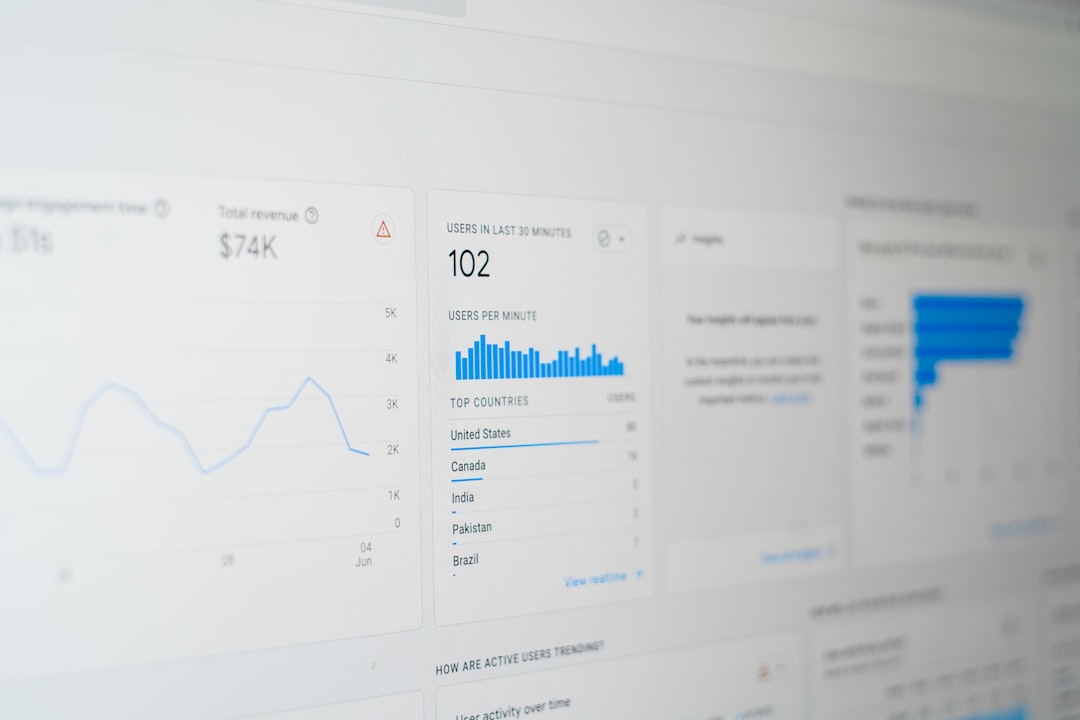
- Simple, clean dashboard interface
- Goal and campaign tracking
Best For: Bloggers, startups, SaaS companies, and privacy-first brands seeking simplicity.
Plausible stands out for its minimalism. Instead of overwhelming users with complex reports, it focuses on essential traffic metrics such as pageviews, referrals, bounce rate, and top pages.
2. Matomo
Matomo (formerly Piwik) is one of the most comprehensive privacy-focused analytics platforms available. Unlike many lightweight tools, Matomo offers enterprise-grade features while allowing full data ownership.
Key Features:
- Self-hosted or cloud-hosted options
- Full data ownership and control
- Advanced reporting and segmentation
- Heatmaps and session recordings
- Optional cookie-less tracking mode
Best For: Enterprises and organizations requiring advanced analytics with strict compliance controls.

Matomo appeals to organizations that want Google Analytics-level depth without relinquishing data to a third party. While it may require more setup, it offers unmatched flexibility in compliance customization.
3. Fathom Analytics
Fathom Analytics bills itself as a “simple, privacy-first Google Analytics alternative.” It uses anonymized data collection and does not rely on cookies, helping businesses avoid intrusive consent banners in many cases.
Key Features:
- Cookie-free tracking
- GDPR, CCPA, and PECR compliant
- Fast-loading tracking script
- Email reports and real-time data
- Easy-to-understand metrics
Best For: Small-to-medium businesses seeking clarity without complexity.
Fathom prioritizes usability. The interface presents high-level insights without overwhelming users, making it ideal for teams that want quick answers instead of complex configurations.
4. Simple Analytics
Simple Analytics focuses on transparency and ease of use. It intentionally avoids tracking techniques that compromise user privacy while still offering actionable website insights.
Key Features:
- Privacy-first by design
- No personal data collection
- Clean and simplified dashboards
- Event and goal tracking
- Open startup ethos with transparent data practices
Best For: Ethical brands and mission-driven businesses.
Unlike traditional analytics platforms, Simple Analytics avoids IP tracking and fingerprinting. Its emphasis on transparency makes it appealing to companies that publicly promote data ethics.
5. Umami
Umami is an open-source analytics platform that provides simple, fast, and privacy-respecting insights. It can be self-hosted, giving organizations full control over their data infrastructure.

Key Features:
- Open-source and self-hosted
- No cookies or personal data
- Custom event tracking
- Multiple website support
- Minimal design and fast performance
Best For: Developers and technical teams seeking customizable solutions.
Umami is especially attractive to technically savvy teams who prefer maintaining control at the server level. While it may require more hands-on configuration, it offers flexibility and zero vendor lock-in.
6. Piwik PRO
Piwik PRO delivers privacy-focused analytics tailored for government agencies, healthcare providers, and financial institutions. It combines strong compliance features with enterprise-level data governance.
Key Features:
- Advanced user consent management
- Granular data control
- Secure private cloud hosting
- Tag manager and customer data platform
- Strong regulatory compliance tools
Best For: Highly regulated industries requiring strict compliance frameworks.
Piwik PRO bridges the gap between advanced marketing analytics and data protection standards. It often serves organizations that must align with HIPAA, GDPR, and other rigorous regulations.
Comparison Chart
| Tool | Hosting Options | Cookie-Free | Open Source | Best For |
|---|---|---|---|---|
| Plausible | Cloud / Self-hosted | Yes | Yes | Startups & Bloggers |
| Matomo | Cloud / Self-hosted | Optional | Yes | Enterprises |
| Fathom | Cloud | Yes | No | SMBs |
| Simple Analytics | Cloud | Yes | No | Ethical Brands |
| Umami | Self-hosted | Yes | Yes | Developers |
| Piwik PRO | Private Cloud / On-premise | Configurable | No | Regulated Industries |
Why Businesses Are Moving Away from Google Analytics
Organizations are re-evaluating Google Analytics for several important reasons:
- Data Sharing Concerns: Google processes collected data, which raises questions about third-party access.
- Regulatory Challenges: GDPR enforcement in parts of Europe has scrutinized Google Analytics implementations.
- Cookie Consent Fatigue: Cookie-heavy platforms require intrusive consent banners.
- Complexity: Universal Analytics and GA4 can be difficult for non-technical users.
Privacy-focused alternatives address these concerns by eliminating invasive tracking methods, minimizing collected data, and offering greater transparency.
How to Choose the Right Privacy-Focused Analytics Tool
When selecting an alternative, organizations should evaluate:
- Hosting Preference: Self-hosted solutions provide maximum control, while cloud options offer convenience.
- Compliance Requirements: Highly regulated industries may require advanced governance features.
- Technical Expertise: Open-source tools often demand more setup and maintenance.
- Feature Depth: Lightweight tools provide simplicity; enterprise tools offer advanced segmentation.
- Budget: Some solutions offer flat-rate pricing, while others scale with traffic volume.
The best choice ultimately depends on balancing privacy goals with operational needs.
Frequently Asked Questions (FAQ)
1. Are privacy-focused analytics tools less accurate?
No. While they may avoid granular personal data tracking, most platforms provide highly accurate aggregated traffic data sufficient for marketing and performance analysis.
2. Can businesses use these tools without cookie consent banners?
Many cookie-free analytics platforms allow businesses to operate without traditional consent banners, depending on local regulations. However, legal consultation is always recommended.
3. Is self-hosting better for privacy?
Self-hosting generally provides greater control over data storage and processing. However, it requires technical expertise and ongoing maintenance.
4. Do privacy analytics tools support event tracking?
Yes. Most alternatives—including Plausible, Matomo, and Umami—support customizable event tracking without compromising user privacy.
5. Are these tools suitable for large enterprises?
Platforms like Matomo and Piwik PRO are specifically designed to meet enterprise needs, including regulatory compliance and advanced reporting.
6. Why is open-source important in analytics?
Open-source transparency allows organizations to audit the codebase, verify data practices, and minimize vendor lock-in.
As digital privacy evolves from a regulatory requirement to a brand differentiator, adopting a privacy-first analytics solution can build trust while still delivering actionable insights. Businesses that align analytics practices with ethical data principles position themselves for long-term credibility in an increasingly privacy-conscious world.