


Online privacy feels confusing. So many tools. So many promises. Two of the most common options are VPN services and proxy servers. They sound similar. They both hide your IP address. But they work in very different ways. And choosing the right one can make a big difference for your privacy.
TL;DR: A VPN encrypts all your internet traffic and protects your entire device. A proxy server usually hides just your IP address and works at the app level, often without encryption. VPNs are better for strong privacy and security. Proxies are faster and simpler for basic tasks like bypassing geo-blocks.
Let’s break it down in a simple and fun way.
What Is a VPN?
A VPN stands for Virtual Private Network. That sounds fancy. But the idea is simple.
Think of a VPN as a secure tunnel between your device and the internet.
When you turn on a VPN:
- Your internet traffic gets encrypted.
- Your IP address is replaced with the VPN server’s IP.
- Your internet provider can’t see what you’re doing online.
Encryption means your data becomes scrambled. If someone tries to spy on you, all they see is gibberish.

This protection applies to everything on your device:
- Your web browser
- Streaming apps
- Email apps
- Online games
It’s like putting your whole device inside a private armored car before sending it onto the internet highway.
Why People Use VPNs
- To protect their data on public Wi-Fi
- To stop ISP tracking
- To access content from other countries
- To stay private while browsing
- To avoid bandwidth throttling
VPNs are popular because they provide real security, not just basic masking.
What Is a Proxy Server?
A proxy server is simpler.
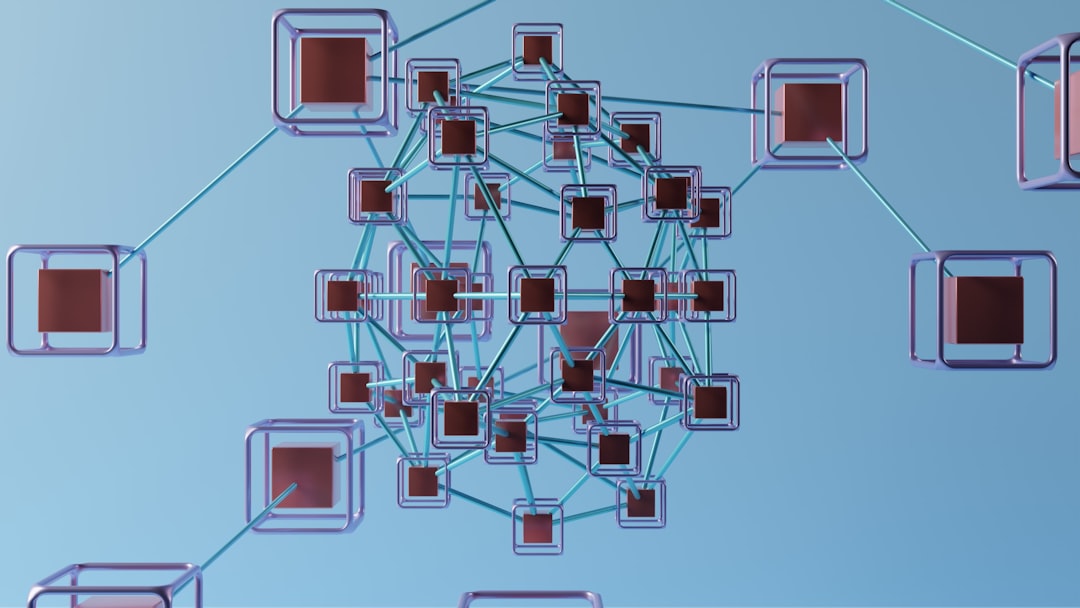
It acts as a middleman between you and the website you visit.
Instead of connecting directly to a site, your request goes through the proxy first. The website sees the proxy’s IP address. Not yours.
That’s it. No magic tunnel. Often no encryption.
Most proxies work at the application level. That means:
- You may set it up in your browser only.
- Other apps may not be protected.
- Traffic is often not encrypted.
So while a proxy hides your IP address, it usually does not protect your data from being seen by hackers or your internet provider.
Why People Use Proxies
- To access blocked websites
- To manage multiple social media accounts
- For web scraping
- For basic geo-unblocking
- For slightly faster speeds than VPNs
Proxies are often lighter and faster. But they are also less secure.
VPN vs Proxy: The Core Differences
Now the fun part. Let’s compare them side by side.
| Feature | VPN | Proxy |
|---|---|---|
| Encrypts Data | Yes | Usually No |
| Hides IP Address | Yes | Yes |
| Protects Entire Device | Yes | No, usually app specific |
| Security Level | High | Low to Moderate |
| Setup Difficulty | Easy with apps | Manual setup sometimes required |
| Speed | Slightly slower due to encryption | Often faster |
| Best For | Privacy and security | Simple IP masking |
The biggest difference is encryption.
If privacy is your main goal, encryption matters. A lot.
Understanding Encryption (Without the Boring Bits)
Here’s a simple example.
Imagine sending a postcard. Anyone handling it can read it. That’s like using the internet without encryption.
Now imagine putting your message inside a locked metal box. Only the receiver has the key. That’s encryption.
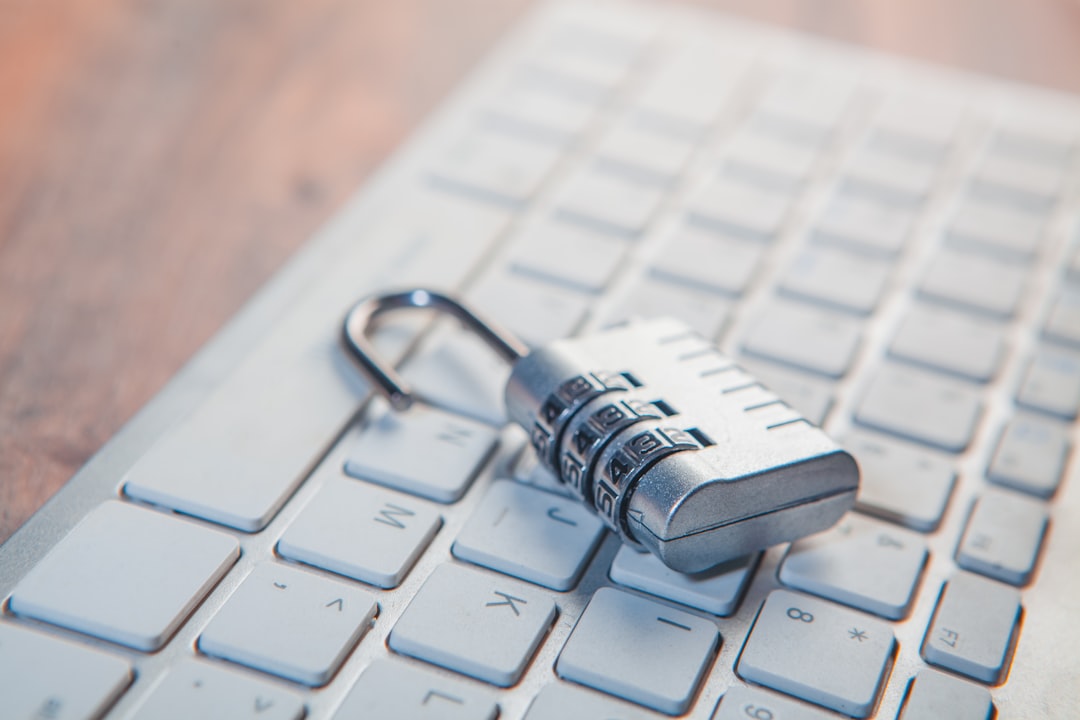
A VPN uses that locked box.
A proxy often sends the postcard as-is.
See the difference?
When Should You Choose a VPN?
Choose a VPN if you:
- Use public Wi-Fi at cafes or airports
- Care about keeping browsing private
- Handle sensitive work files
- Want protection from hackers
- Need safe torrenting
Public Wi-Fi is risky. Anyone on the same network can try to spy on you. A VPN makes it much harder.
Also, many VPN providers have:
- No-log policies
- Kill switches
- DNS leak protection
- Split tunneling
These features add extra privacy layers.
If you want peace of mind, VPN is usually the smarter choice.
When Should You Choose a Proxy?
A proxy can be enough if you:
- Just need to bypass a simple website block
- Are managing multiple online accounts
- Want fast IP rotation
- Do not care much about encryption
Proxies are popular among:
- Marketers
- Developers
- Social media managers
- Data scrapers
For basic tasks, proxies are efficient. They are often lightweight and cheaper.
But remember. They are not security tools first. They are routing tools.
What About Free Options?
This is where things get tricky.
Free proxies are everywhere. Many are unreliable. Some log your data. Some inject ads. Some are outright malicious.
Free VPNs can also be risky. Running servers costs money. If you are not paying, you might be the product.
That does not mean all free services are bad. But you must research carefully.
Look for:
- Clear privacy policies
- Transparent ownership
- Good reviews
- Strong security protocols
Privacy is not the place to cut corners.
Speed: Which Is Faster?
In general, proxies are faster.
Why? Because they do not encrypt your traffic. Encryption takes processing power. That can slow things down slightly.
But modern VPNs are very fast. Many users do not notice much difference. Especially on good internet connections.
If you want maximum speed and minimal protection, choose a proxy.
If you want strong security and can accept a small speed tradeoff, choose a VPN.
Can You Use Both?
Yes. But it is rare for normal users.
Some advanced users chain a proxy with a VPN. This adds extra layers. But it also adds complexity.
For most people, that’s overkill.
Keep it simple.
- Need security? Get a VPN.
- Need quick IP masking? Use a proxy.
Final Thoughts
Both VPNs and proxies have their place.
They are not enemies. They are different tools.
A proxy is like wearing sunglasses. People can’t easily see who you are. But you’re still exposed.
A VPN is like wearing a disguise and traveling in a secure vehicle. Much harder to track. Much safer overall.
If privacy truly matters to you, a VPN is the better choice.
If convenience and speed are your priority, a proxy may be enough.
The key is simple. Match the tool to your goal.
In the end, online privacy is about awareness. When you understand the difference, you stay in control. And that’s the best kind of security.