


Choosing between Sam’s Club and Costco is not a simple matter of picking the closest warehouse. Both retailers dominate the membership-based warehouse club industry in the United States, offering bulk goods, discounted services, and exclusive member perks. Yet despite their similarities, meaningful differences in pricing, product selection, quality, and overall experience can make one a better fit depending on your priorities.
TLDR: Costco is generally regarded as offering higher overall product quality, stronger private-label items, and a more customer-friendly return policy, while Sam’s Club often wins on convenience, technology, and slightly lower membership costs. Costco’s Kirkland Signature brand is widely praised, but Sam’s Club provides competitive pricing and easier in-store navigation through its Scan & Go app. The better choice depends on whether you prioritize premium quality and brand reputation or convenience and digital efficiency. Both deliver strong value for bulk shoppers.
Membership Costs and Value
Both retailers require an annual membership, which is key to accessing their lowest prices.
- Costco Gold Star Membership: Typically around $60 per year
- Sam’s Club Club Membership: Typically around $50 per year
- Premium tiers: Costco Executive and Sam’s Plus memberships offer 2% rewards and additional benefits
At face value, Sam’s Club is slightly cheaper at the entry level. However, evaluating value solely based on the membership fee would be incomplete. Costco’s Executive Membership often pays for itself through annual rewards if you spend enough throughout the year.
Sam’s Club frequently offers promotions and discounted membership deals for new customers, which can significantly reduce the upfront cost. Costco rarely discounts its memberships, relying instead on brand reputation and perceived value.
Product Quality and Private Labels
One of the clearest distinctions between the two retailers lies in product quality and their respective private labels.
Costco’s Kirkland Signature brand has built a strong reputation for reliability and high standards. From organic foods to batteries and coffee, Kirkland products are often compared favorably to national brands—sometimes even manufactured by the same suppliers.

Sam’s Club offers its own private label, Member’s Mark, which has improved significantly over the years. While it may not have the same widespread prestige as Kirkland, Member’s Mark products are often competitively priced and well-reviewed.
In general:
- Costco: Tends to prioritize premium quality and curated selection
- Sam’s Club: Offers broader variety and slightly more brand-name options
Costco deliberately limits product variations to maintain buying power and quality control. Sam’s Club frequently provides more choices within a category, which can appeal to shoppers who prefer variety.
Pricing and Savings
Both warehouses operate on thin profit margins and make much of their income from membership fees rather than product markups. However, pricing differences do exist.
Costco is widely known for its consistent pricing discipline, including a corporate cap on markups for branded goods. This tends to create stable pricing and strong value on large household staples.
Sam’s Club, owned by Walmart, leverages its parent company’s supply chain. This can result in aggressive pricing in select product categories, especially:
- Electronics
- Household cleaning supplies
- Packaged snacks
- Paper goods
That said, price comparisons vary by region and timing. Costco may edge ahead in organic foods and specialty items, while Sam’s Club might offer slightly better deals on certain national brands.
Shopping Experience and Store Layout
The in-store experience is another important differentiator.
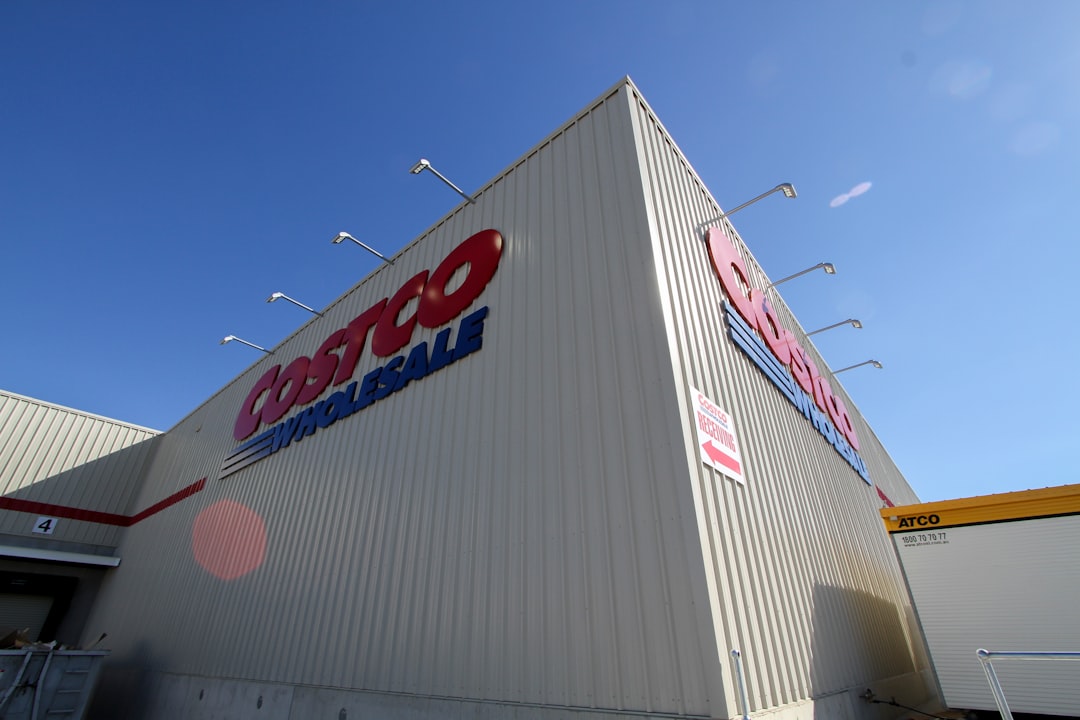
Costco stores are known for their simple, almost no-frills warehouse design. Items are often displayed on pallets, and layouts may change regularly to encourage product discovery. This can be exciting for some shoppers and frustrating for others.
Costco’s food court has cult-like popularity, especially for its famously inexpensive hot dog and soda combo. The in-house bakery, produce section, and prepared foods department are frequently praised for quality.
Sam’s Club stores tend to feel slightly more organized and navigable. Wider aisles and more consistent layout decisions can make routine shopping quicker and more predictable.
One major advantage for Sam’s Club is technology. Its Scan & Go app allows members to scan items as they shop and skip the checkout line entirely. This feature can significantly reduce wait times, particularly during peak hours. Costco has been slower to adopt comparable widespread checkout innovations.
Customer Service and Return Policies
Costco has built a reputation for its generous return policy. Most items can be returned at any time if customers are dissatisfied, with only a few exceptions such as electronics and major appliances (which typically have 90-day limits).
This policy is a major trust factor for buyers making large purchases, including:
- Appliances
- Televisions
- Furniture
- High-end electronics
Sam’s Club also maintains a reasonable return policy, though it is generally seen as slightly more restrictive in certain categories. While most returns are straightforward, Costco’s longstanding reputation for hassle-free refunds gives it a measurable edge in perceived customer advocacy.
Selection and Inventory Strategy
Costco deliberately limits its SKUs (stock keeping units) to maintain efficiency and negotiate lower prices per item. As a result, you may find only one or two options within a product category.
Sam’s Club typically offers a broader selection within each category, providing customers more brand comparisons. This can make Sam’s Club feel closer to a traditional big-box retailer, while Costco often feels more carefully curated.

Inventory turnover differs as well. Costco frequently rotates seasonal and specialty items, creating a “treasure hunt” experience. Sam’s Club also carries seasonal goods but tends to maintain more product consistency throughout the year.
Additional Services
Both clubs extend their value beyond groceries and household essentials.
Costco services include:
- Pharmacy
- Optical centers
- Tire centers
- Travel bookings
- Insurance services
- Auto buying programs
Sam’s Club offers:
- Pharmacy
- Optical services
- Tire and battery centers
- Business memberships
- Early shopping hours for Plus members
Costco Travel in particular is often recognized as a strong value, bundling vacations, cruises, and rental cars at competitive rates. Sam’s Club caters more visibly to small businesses, with product packs and membership features tailored toward resale or operational needs.
Brand Reputation and Corporate Culture
Costco has cultivated a reputation for ethical business practices and higher-than-average employee wages. Many analysts attribute Costco’s customer loyalty to its internal culture and commitment to service.
Sam’s Club, backed by Walmart, benefits from enormous buying power and logistical sophistication. While it may not carry the same premium brand image as Costco, it is often viewed as modernizing quickly—particularly through digital innovation.
Public perception matters for many consumers, especially those who consider how companies treat employees and source products. Costco often receives stronger marks in third-party surveys related to trust and satisfaction.
Which Is Better for You?
The answer depends strongly on your shopping habits and preferences.
Costco may be better if you:
- Prioritize premium quality
- Value a generous return policy
- Enjoy curated, limited but high-quality selections
- Spend enough annually to justify an Executive Membership
Sam’s Club may be better if you:
- Prefer slightly lower upfront membership cost
- Want greater product variety
- Value checkout speed and mobile convenience
- Shop frequently for business or resale purposes
For strictly price-conscious shoppers, small price differences will likely fluctuate week to week, making both retailers comparable overall. For experience-driven consumers, Costco’s product standards and return flexibility often outweigh minor pricing gaps. Meanwhile, technologically minded shoppers may find Sam’s Club’s Scan & Go feature alone reason enough to choose it.
Final Assessment
Sam’s Club and Costco are far more alike than they are different, but their subtle differences matter. Costco excels in quality perception, private labeling, and customer trust. Sam’s Club stands out with digital convenience, slightly lower barriers to entry, and broad selection.
If forced to declare a general winner, many consumers and industry analysts would give a slight edge to Costco for its consistency and brand reliability. However, the practical winner is the one aligned with your shopping habits, location, and spending patterns.
Ultimately, both warehouses offer significant savings compared to traditional grocery stores. With careful use, either membership can deliver substantial value over the course of a year.