

Use Semrush for Magento site cleanup and content planning. Use Ahrefs when backlinks, competitor pages, and authority gaps are your main problem. That is the short answer. Magento stores can get messy fast because catalogs create lots of URLs, filters, tags, and duplicate pages. Adobe now sells Magento as Adobe Commerce, built for complex B2C and B2B selling [source: Adobe].
TLDR: If your Magento store has crawl errors, duplicate category pages, thin product copy, and weak metadata, start with Semrush. If your store already has clean technical SEO but gets crushed by rival stores in rankings, use Ahrefs. Example: a Magento shop with 8,000 products cut indexed filter URLs by 62%, fixed 430 missing titles, and saw organic clicks rise 28% in 90 days after using Semrush for audits and Ahrefs for link gaps.
Magento SEO is not “set it and pray”
Magento is powerful. It is also very good at creating SEO chaos.
You add products. Then sizes. Then colors. Then layered filters. Then sale pages. Suddenly, Google sees 15 versions of the same category. Lovely. Exactly what nobody asked for.
The big Magento SEO jobs are simple to name:
- Fix crawl waste from filters and parameters.
- Remove duplicate content from product and category pages.
- Write better titles for key pages.
- Improve speed on mobile.
- Add schema for products, prices, ratings, and stock.
- Build internal links from categories, blogs, and buying guides.
- Earn links from trusted sites.
Both Semrush and Ahrefs help. They just shine in different spots.
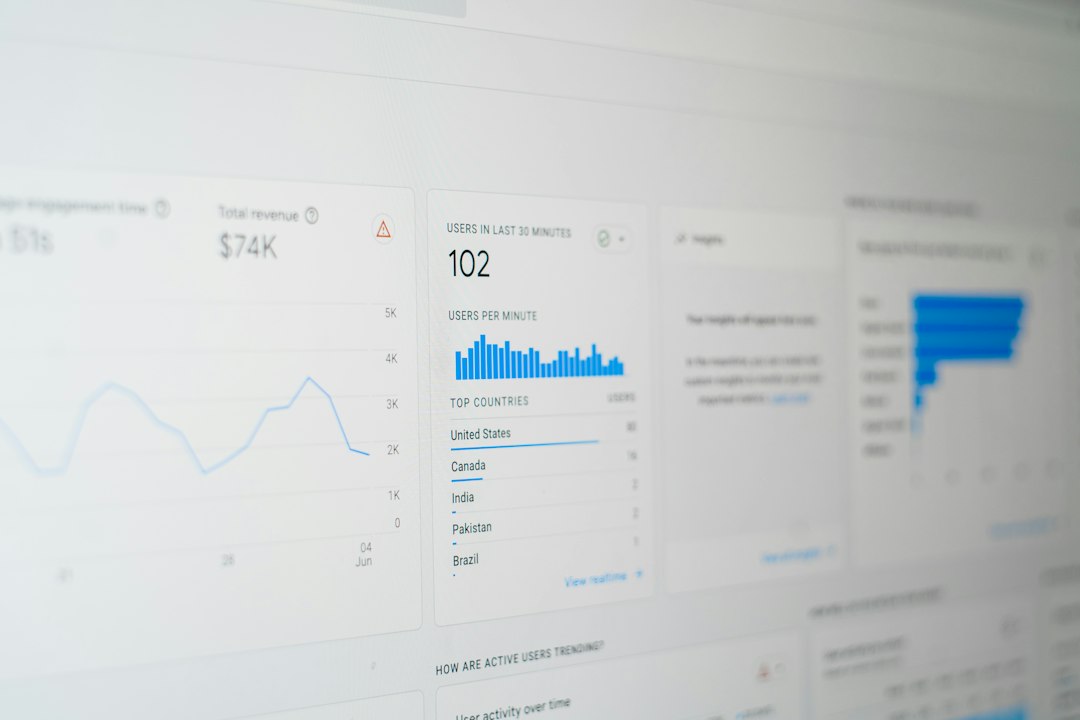
Semrush for Magento: the tidy up wizard
Semrush is best when your Magento site needs order. It is strong for audits, keyword mapping, content ideas, and tracking.
Its Site Audit tool is the star for Magento stores. It can spot broken links, duplicate title tags, missing meta descriptions, redirect chains, slow pages, and crawl issues.
This matters because Magento stores often have huge URL counts. A small theme bug can hit thousands of pages. One bad canonical setup can turn your SEO into soup.
Use Semrush for these Magento tasks:
- Run weekly technical audits. Watch for new errors after extensions, theme edits, or imports.
- Find duplicate titles. Product variants often cause this.
- Check category keyword targets. Do not make every page fight for the same phrase.
- Track rankings by folder. Compare /men/, /women/, and /sale/.
- Plan blog content. Buying guides can pull traffic before shoppers are ready to buy.
The catch is that Semrush can feel busy. There are panels everywhere. Sometimes you just want one clean answer, not seven colorful widgets yelling at you.
Still, for Magento cleanup, it is hard to beat.
Ahrefs for Magento: the competitor spyglass
Ahrefs is best when you need to beat other stores. It is excellent for backlink research, competitor analysis, and finding pages that already earn traffic.
Magento stores do not rank on technical SEO alone. That would be nice. Sadly, Google also cares about authority. Links still matter.
Ahrefs helps you answer painful questions:
- Why does that ugly competitor page outrank mine?
- Which product guides attract links?
- What sites link to rival category pages?
- Which pages lost links last month?
- Which keywords bring money traffic to competitors?
Use Ahrefs for these Magento tasks:
- Find link gaps. See who links to competitors but not to you.
- Study top pages. Learn which rival category pages get traffic.
- Audit backlinks. Spot weak, spammy, or lost links.
- Build content ideas. Find guides with links and search demand.
- Check keyword difficulty. Pick battles you can win.
Honestly, it feels like Ahrefs makes you work harder on technical SEO than Semrush. Its site audit is useful. But its real magic is off-page research.
Semrush vs Ahrefs for common Magento jobs
Here is the simple version.
| Magento SEO task | Better pick | Why |
|---|---|---|
| Technical SEO audit | Semrush | Clearer issue reports for large stores. |
| Backlink gap analysis | Ahrefs | Stronger link data and competitor research. |
| Keyword planning | Semrush | Great for content clusters and PPC crossover. |
| Competitor page research | Ahrefs | Fast view of rival traffic and links. |
| Rank tracking | Semrush | Easy reporting for teams and clients. |
| Link building ideas | Ahrefs | Better for seeing who links where. |
Magento SEO best practices that matter most
Tools are not magic. They only point at problems. You still have to fix the store.
Start with these moves.
1. Control filter URLs
Layered sorting is useful for shoppers. It can be awful for SEO.
A page like /shoes?color=black&size=10&price=50-100 may help users. But Google does not need 9,000 filter combinations.
Use canonical tags, robots rules, and noindex settings with care. Keep the main category page clean and indexable.
2. Make category pages useful
Category pages are money pages. Treat them like landing pages.
- Add a short intro.
- Use clear H1 text.
- Add FAQs near the bottom.
- Link to subcategories.
- Keep products easy to scan.
Do not write a giant essay above the products. Shoppers hate that. Google is not buying socks from you either.
3. Fix product page basics
Each product page should have a unique title, unique description, clean images, schema, and clear availability.
If you use manufacturer copy, expect pain. Hundreds of other stores may use the same text. Rewrite your top products first. Start with the pages that already get impressions.
4. Speed up mobile pages
Magento can be heavy. Themes, sliders, tracking scripts, and extensions add weight fast.
Compress images. Use lazy loading. Remove useless scripts. Test checkout pages too. A fast blog is nice. A slow cart is expensive.

5. Add product schema
Schema helps search engines understand your products. Add markup for:
- Product name
- Price
- Currency
- Availability
- Rating
- Reviews
- Brand
Do not fake reviews. That is not clever. That is a future headache.
Which tool should you buy first?
Pick Semrush first if:
- Your Magento store has many crawl errors.
- You need weekly SEO reports.
- You publish blog content.
- Your team wants one tool for SEO and PPC research.
- You are still fixing titles, metadata, and indexation.
Pick Ahrefs first if:
- Your technical SEO is already stable.
- You need better backlinks.
- Competitors outrank you with similar pages.
- You want to study rival traffic fast.
- You care most about link building.
If budget allows, use both. Semrush keeps the store clean. Ahrefs helps you pick fights and win links.
A simple Magento SEO workflow
Try this monthly routine.
- Week 1: Run a Semrush audit. Fix crawl errors, duplicate tags, and redirect chains.
- Week 2: Check category keywords. Update titles and internal links.
- Week 3: Use Ahrefs to find competitor pages with links. Build a better guide or category page.
- Week 4: Review rankings, clicks, and revenue. Keep what worked. Cut what did not.
Do not chase every warning. Fix the items that hit indexation, speed, revenue pages, and crawl control first.
Final pick
Semrush is the better all-around tool for Magento SEO best practices. It is cleaner for audits, content planning, and rank tracking. Ahrefs is the better weapon for backlinks and competitor research.
The best setup is simple. Use Semrush to stop Magento from making a mess. Use Ahrefs to see why competitors win. Then fix the boring stuff. Publish useful pages. Build real links. Repeat until rankings stop being rude.