

A PS works best in professional email when it highlights one late, useful point, not when it rescues a messy message. Gmail makes a PS feel quick, informal, and easy to add during a thread. Outlook makes it feel more structured, especially in companies that rely on signatures, disclaimers, templates, and approvals. In both platforms, the PS should be short, intentional, and placed after the sender’s name but before any long legal footer.
TLDR: Gmail is better for fast, conversational PS notes, while Outlook is better for formal business messages with controlled formatting. A sales team, for example, might see higher reply rates when adding a brief PS such as “P.S. The pricing option discussed expires Friday.” In one practical scenario, a sender testing 100 outreach emails may find that a clear PS gets 8 to 12 extra clicks because readers often scan the final line first. The PS should never carry the main request; it should reinforce it.

What a PS Does in a Professional Email
A PS, or postscript, is a small note added after the main email body and signature. It started as a way to add a forgotten thought after a letter was written. In email, it has become a strategic attention tool.
Readers often scan the subject line, greeting, first sentence, and final lines. That gives the PS unusual power. It can repeat a deadline, add a bonus detail, mention an attachment, or soften a direct request. The catch is that a bad PS can look lazy. If the key point belongs in the body, burying it at the end feels careless.
A professional PS usually works best when it does one of these jobs:
- Reinforces urgency: “P.S. Registration closes at 5 p.m. on Thursday.”
- Adds a helpful reminder: “P.S. The updated proposal is attached as a PDF.”
- Personalizes the message: “P.S. Congratulations on the new office opening.”
- Supports a call to action: “P.S. A 15-minute call on Tuesday would be enough to review the figures.”
Gmail: Best for Fast, Conversational PS Notes
Gmail suits senders who write shorter messages, reply quickly, and work across ongoing threads. Its clean compose window makes adding a PS simple. A sender can type the message, sign off, add the name, and place the PS below without much friction.
Gmail also handles casual business communication well. Startups, agencies, freelancers, and customer support teams often use it for a tone that feels direct but friendly. In that setting, a PS can sound natural.
Example:
Best,
Marcus
P.S. The draft includes the revised homepage copy on page 3.
That works because the PS is brief and useful. It does not fight the main message.
Still, Gmail has annoyances. Honestly, it feels like the quoted thread collapse can hide context at exactly the wrong time. If a PS is added during a long reply chain, some readers may miss whether it belongs to the latest message or an older one. Gmail also clips very long emails with the “Message clipped” notice. If a sender uses a long signature, tracking links, images, and disclaimers, the PS may sit too close to clutter.
Gmail PS best practices:
- Keep the PS under two lines.
- Place it before any automatic confidentiality notice.
- Avoid multiple postscripts such as P.P.S. in formal emails.
- Use it to support one action, not three.
- Check mobile formatting before sending important campaigns.
Outlook: Best for Formal and Corporate PS Use
Outlook is common in corporate, legal, finance, education, government, and enterprise sales environments. It is often tied to Microsoft 365, shared calendars, branded signatures, compliance rules, and automatic disclaimers. That structure affects the PS.
In Outlook, a PS may look more polished when the sender uses a standard signature block. Names, titles, phone numbers, logos, and company footers tend to be controlled. This helps brand consistency. It can also make the PS harder to place cleanly.
A strong Outlook format looks like this:
Regards,
Priya Shah
Senior Account Manager
P.S. The revised contract reflects the two-year rate discussed on Monday.
If the company adds a long legal disclaimer after every message, the PS should appear before that disclaimer. Otherwise, the final line gets buried under policy text that nobody enjoys reading.
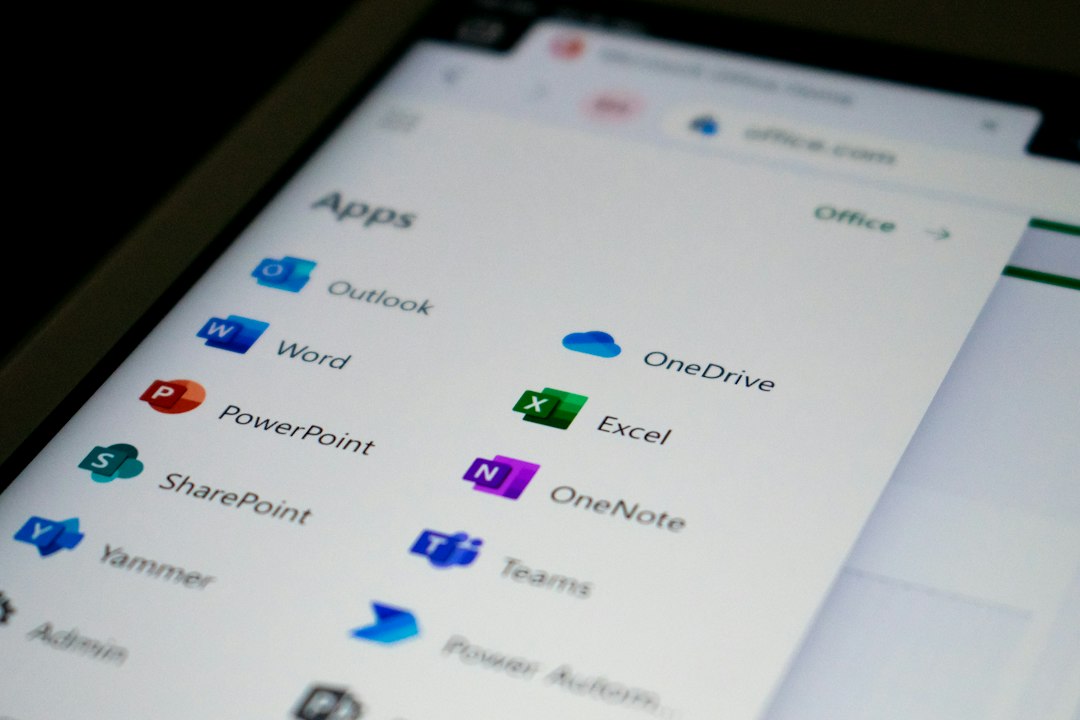
Outlook also has templates and Quick Parts in many desktop versions. These help repeat approved wording. That matters for teams in regulated industries. A sales manager can create a PS line that mentions a limited offer without creating compliance headaches.
Expect to waste time on formatting if Outlook signatures behave badly across desktop, web, and mobile. A PS that looks tidy on Windows can gain odd spacing on mobile. Logos may push the PS down. Fonts may shift. It is small, but it can make a polished email look patched together.
Outlook PS best practices:
- Use plain formatting for the PS unless emphasis is needed.
- Place the PS before compliance disclaimers.
- Test templates on desktop, web, and mobile.
- Keep the tone more formal than Gmail.
- Avoid using the PS for sensitive legal or financial terms unless approved.
Gmail vs Outlook: Which Handles a PS Better?
| Factor | Gmail | Outlook |
|---|---|---|
| Best tone | Friendly, quick, direct | Formal, structured, corporate |
| Best use case | Follow-ups, outreach, support, casual business updates | Enterprise emails, proposals, legal reviews, internal approvals |
| Signature control | Simple but less controlled across teams | Stronger for company-wide branding |
| Main risk | PS can get lost in long threads | PS can get buried under disclaimers |
| Winner | Speed and warmth | Consistency and polish |
The better platform depends on the message. For a quick client reminder, Gmail often wins. For a board update, renewal notice, or procurement thread, Outlook usually fits better. The PS itself should not change much. It should still be short, relevant, and easy to read.
Where the PS Should Go
The cleanest order is:
- Main email message
- Closing line
- Sender name
- PS
- Contact details or short signature, if needed
- Legal disclaimer or company footer
Some senders place the PS after the entire signature block. This can work if the signature is short. If the signature has a logo, banner, social icons, and a disclaimer, the PS should move above that block. Otherwise, it loses the point of being a final attention grabber.
When a PS Helps Most
A PS is useful when email readers are busy. That includes sales outreach, event reminders, invoice follow-ups, proposal emails, and recruiting messages. It also works well when the sender wants to sound human.
For example:
P.S. The team only needs the signed page, not the full packet returned.
That saves the reader time. It answers a likely question. It also reduces back-and-forth.
A PS should be skipped when the email is disciplinary, confidential, highly technical, or emotionally sensitive. A postscript can seem too casual in those cases. It can also look manipulative if it adds pressure after a polite main message.

FAQ
Is using a PS in professional email acceptable?
Yes. A PS is acceptable when it adds a short, useful note. It should not carry the main purpose of the email.
Is Gmail or Outlook better for adding a PS?
Gmail is better for quick and conversational emails. Outlook is better for formal, branded, and compliance-heavy email communication.
Should the PS go before or after the signature?
It usually works best after the sender’s name and before long disclaimers. If the signature is very short, placing it after the signature can still look fine.
Can a PS include a call to action?
Yes, but it should support the main call to action. A good example is: “P.S. A reply by Friday will keep the launch date on track.”
Should a professional email use P.P.S.?
Usually no. Multiple postscripts can look messy or overly casual. One clear PS is stronger.
Does a PS improve reply rates?
It can. A clear final reminder may improve clicks or replies because many readers scan the last line. Results vary by audience, subject line, and offer.