


SASE solution providers are the better choice when your network and security teams need one cloud-delivered model for users, branches, apps, and traffic control. If your pain is only secure app access, SSE may be enough. If your pain is only branch connectivity, SD-WAN may be enough. But when both problems show up at once, buying separate tools can turn into policy sprawl, ticket queues, and billing confusion.
TLDR: SASE combines SSE security and SD-WAN networking into one architecture, while SSE and SD-WAN alternatives solve only part of the problem. For example, a company with 2,000 employees, 18 branches, and 40% remote staff may cut VPN usage by 70% after moving identity-based access and branch routing into a SASE platform. SSE is strong for remote access and SaaS protection. SD-WAN is strong for site-to-site performance, but it still needs security layered on top.
What SASE Providers Actually Deliver
SASE, or Secure Access Service Edge, joins network access and security inspection in a cloud-based service. A full SASE provider usually brings together SD-WAN, secure web gateway, cloud access security broker, zero trust network access, firewall as a service, data loss prevention, and centralized policy control.
The point is simple: users should get safe, fast access whether they sit in headquarters, at home, in a hotel, or inside a branch office. The policy should follow the user, device, app, and risk level. Not the old office perimeter.
This is why SASE attracts companies that are tired of running a stack of point products. Honestly, it feels like some security teams spend more time matching logs from five consoles than fixing real exposure. A good SASE platform reduces that mess by putting policy, routing, and inspection closer together.
SASE Providers vs SSE Providers
SSE, or Security Service Edge, is the security half of SASE. It focuses on protecting access to the internet, SaaS apps, private apps, and cloud resources. Most SSE providers include:
- ZTNA: Zero trust access to private apps without broad VPN exposure.
- SWG: Secure web gateway for filtering risky websites and downloads.
- CASB: Visibility and control for SaaS apps such as Microsoft 365, Salesforce, and Google Workspace.
- DLP: Data loss rules that block sensitive data from leaking.
- Remote browser isolation: Opens risky sites away from the endpoint.
SSE is ideal when the main question is, “How do we secure users, SaaS, and private app access without old VPN pain?” It works well for remote-heavy companies and cloud-first teams.
But SSE does not fully solve branch routing, WAN optimization, path selection, or transport failover. If you already have a strong SD-WAN setup, adding SSE may be a clean move. If your branch network is also outdated, SSE alone leaves a big gap.
SASE Providers vs SD-WAN Alternatives
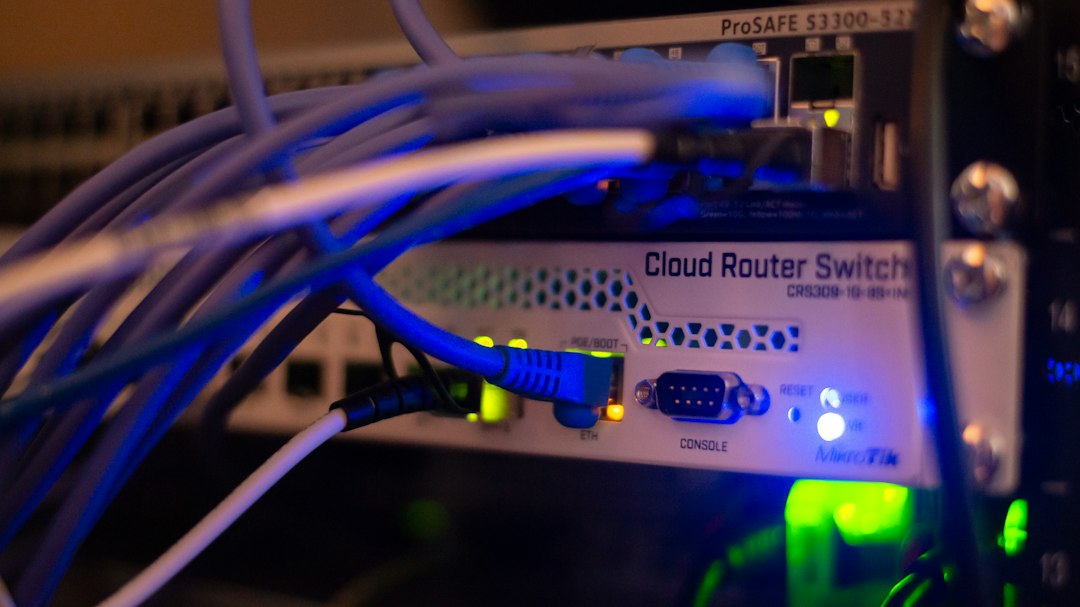
SD-WAN focuses on the network. It helps branches use multiple links, such as broadband, fiber, LTE, or MPLS, and sends traffic over the best path based on app type and performance.
SD-WAN is great when users complain that voice calls lag, ERP sessions freeze, or cloud apps feel slow from regional offices. It can cut dependence on expensive MPLS circuits and improve uptime with automatic failover.
The problem is security. Traditional SD-WAN often needs extra firewalls, web gateways, VPN concentrators, and cloud security tools. The catch is that each extra layer brings another console, another agent, another renewal, and another place for policy drift.
SASE providers try to fix this by combining SD-WAN with cloud security. Traffic can be routed and inspected through the same service fabric. That makes branch connectivity safer without forcing all traffic back to a central data center.
Quick Comparison: SASE, SSE, and SD-WAN
| Option | Best For | Main Strength | Main Limitation |
|---|---|---|---|
| SASE | Companies needing security and networking in one model | Unified policy, cloud security, SD-WAN, remote access | Migration can take planning and vendor review |
| SSE | Remote users, SaaS control, private app access | Strong cloud security without full WAN change | No complete branch networking function |
| SD-WAN | Branch performance and link optimization | Better routing, failover, app-aware traffic control | Security often needs separate tools |
When a Full SASE Provider Makes Sense
A full SASE provider is usually the right fit when several of these signs appear at once:
- Your VPN is slow, hard to scale, or painful for users.
- Branches still backhaul traffic to a data center for inspection.
- Security teams manage web filtering, CASB, ZTNA, and firewall rules in different places.
- Cloud app usage has grown faster than network planning.
- You need consistent policy for employees, contractors, and third parties.
- Network and security teams argue over ownership during outages.
The last point matters more than vendors admit. When an app slows down, one team blames routing. Another blames inspection. Users just know it took 12 seconds longer to open a dashboard than it did yesterday. SASE does not magically fix every slowdown, but it gives teams a shared view of policy, traffic, identity, and risk.
When SSE Is the Smarter Short-Term Move
SSE is often the practical choice if your WAN is healthy but access security is not. For example, a software firm with no major branch network may need ZTNA, SaaS controls, and web protection far more than SD-WAN.
Choose SSE first if you want to:
- Replace legacy VPN access with app-specific access.
- Protect SaaS data across managed and unmanaged devices.
- Block risky web activity for remote and hybrid staff.
- Improve visibility into shadow IT.
SSE can also serve as a stepping stone toward SASE. Some vendors sell SSE first, then add SD-WAN later. That can work well if the architecture is truly integrated, not stitched together through acquisitions and branding.
When SD-WAN Still Wins
SD-WAN remains a strong choice for organizations with many physical sites and urgent performance problems. Retail chains, clinics, warehouses, and banks often need resilient links, local breakout, and app-aware routing before anything else.
If your security stack is mature and your branch network is the weak link, SD-WAN may deliver faster value. It can reduce downtime and improve app experience without changing every security policy at once.
Still, ask how security will attach. Will traffic go to a cloud inspection point? Will local firewalls handle it? Will policies match what remote users get? If the answer is vague, expect extra work later.

How to Compare SASE Solution Providers
Not every SASE provider offers the same depth. Some started in networking and added security. Others started in security and added SD-WAN. A few provide true single-pass inspection, unified agents, and shared policy from the start.
Use these checks during evaluation:
- PoP coverage: More cloud points of presence can reduce latency for global users.
- Policy consistency: Rules should apply across web, SaaS, private apps, and branches.
- Identity integration: Support for Microsoft Entra ID, Okta, Ping, and device posture is key.
- Agent design: One endpoint agent is usually better than three competing clients.
- Logging: Events should flow cleanly into SIEM and XDR tools.
- Migration support: Good providers help phase out VPN, MPLS, and legacy proxies safely.
- Pricing clarity: Watch for add-ons that turn a simple quote into a surprise invoice.
The Practical Recommendation
Pick SASE if you need a long-term model for secure access, branch networking, and cloud traffic control. Pick SSE if your main issue is user and app security, especially for remote workers. Pick SD-WAN if branch performance is the urgent problem and your security stack is already solid.
The best answer is not the biggest bundle. It is the option that removes the most friction with the least waste. For many mid-size and enterprise teams, that points to SASE. For others, starting with SSE or SD-WAN is more sensible. Just make sure the path you choose does not trap you in another pile of disconnected tools.