

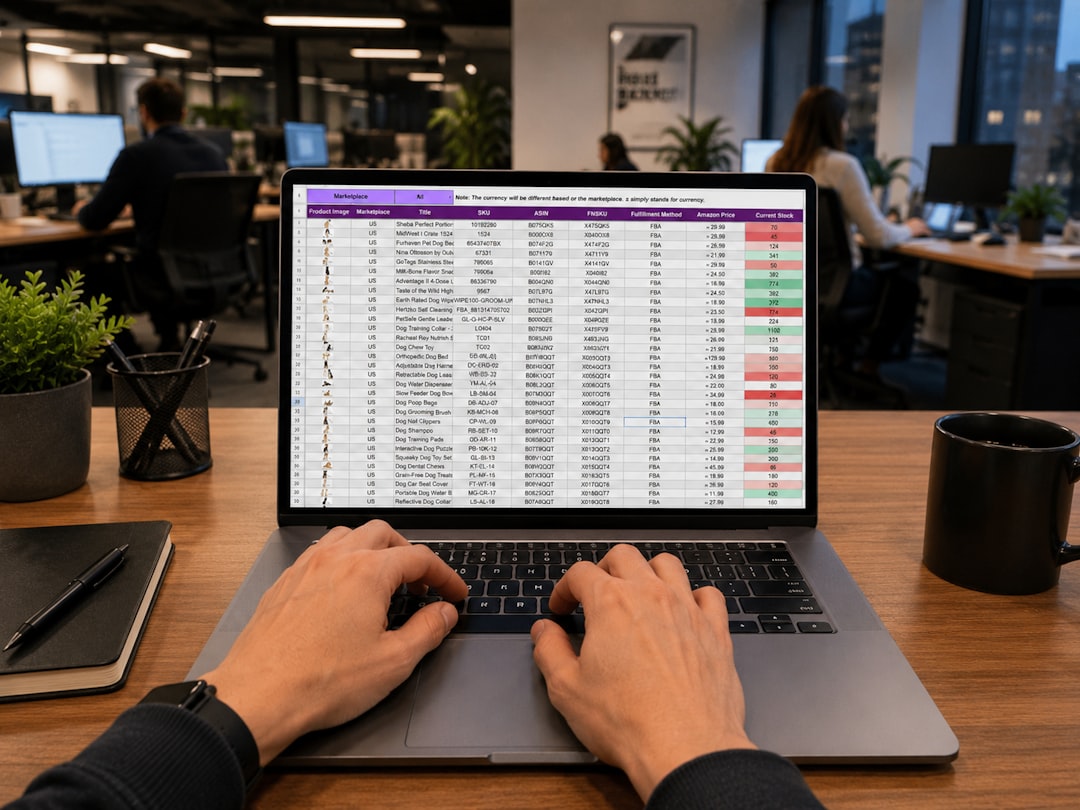
Most teams should use an official Amazon API first, then add product data providers or compliant scraping only when the API cannot supply the needed fields, scale, or market coverage. Amazon product data is valuable, but it is also guarded by rate limits, terms, changing page layouts, and anti-bot systems. The safest choice depends on the use case: affiliate content, seller analytics, price tracking, catalog matching, or retail research.
TLDR: Amazon APIs are best for approved, structured access, but they often miss competitor pricing, keyword results, buy box shifts, and large-scale market research needs. Scraping can fill those gaps, yet it brings higher maintenance, legal review, and blocking risk. For example, a pricing team tracking 25,000 ASINs across 5 countries may find that API access covers only 60% of required fields, while a product data provider or compliant scraper fills the rest with daily updates.
Amazon API options: useful, but not universal
Amazon offers several APIs, and each one serves a different audience. The Product Advertising API is built mainly for affiliate use. It can return product titles, images, offers, ratings in some cases, and affiliate links. It is clean and structured, which saves time. The limit is access. Accounts need approval, and continued access often depends on qualifying sales.
The Selling Partner API, often called SP API, is aimed at sellers, agencies, and software vendors that manage seller operations. It can provide orders, inventory, listings, reports, fees, and other account-related data. It is powerful, but it is not a free pass to scrape every public product page. It mainly helps with owned seller data and authorized account workflows.
Amazon also has advertising and brand-related APIs. These help with campaign performance, keywords, budgets, and ad reporting. They are valuable for retail media teams, but they will not usually solve broad product discovery or competitor monitoring.
The catch is that Amazon APIs are clean only when the requested use case matches Amazon’s rules. When the goal is to monitor competitors, study search rankings, compare offers, or collect category-wide product attributes, official APIs may feel narrow. A team may spend days setting up authentication, only to find that the needed field is not available.

What Amazon scraping can provide
Amazon scraping means collecting publicly visible data from Amazon pages with automated software. Common targets include product titles, ASINs, prices, coupon badges, delivery estimates, seller names, buy box status, star ratings, review counts, product descriptions, images, category ranks, and search result positions.
This data can support:
- Price intelligence: tracking competitor prices and promotions.
- Catalog enrichment: filling missing attributes, images, and descriptions.
- Assortment research: finding top products in a category.
- Search monitoring: checking keyword rank shifts by location.
- Buy box analysis: seeing which seller wins and how often.
- Brand protection: spotting unauthorized sellers or suspicious listings.
Scraping gives flexibility, but it is not simple. Amazon pages change often. Regional differences affect prices and delivery details. A page can show different offers based on location, device, session, or stock level. Honestly, it feels like one small page change can break a parser at the worst possible time, often right before a weekly report is due.
Legal and compliance concerns
Amazon scraping should be reviewed by legal and compliance teams before any project starts. Public data collection laws differ by country, and website terms may restrict automated access. Data involving personal information, reviews tied to user profiles, or seller identity details may carry extra risk.
A safer setup usually follows these principles:
- Collect only data needed for a clear business purpose.
- Avoid personal data unless there is a lawful basis.
- Respect robots.txt signals where applicable.
- Use reasonable request rates.
- Do not attempt account abuse, credential misuse, or restricted area access.
- Keep audit logs and retention rules.
Scraping should not be treated as a shortcut around access controls. If a project requires private seller data, order information, or advertising metrics, an authorized API is the correct path.
API vs scraping: the practical comparison
| Method | Best for | Main limitation |
|---|---|---|
| Product Advertising API | Affiliate sites and product widgets | Approval rules, sales requirements, limited fields |
| Selling Partner API | Seller operations and account data | Only works for authorized seller contexts |
| Amazon Ads API | Ad reporting and campaign management | Not built for broad product research |
| Scraping | Public page monitoring and market research | Blocking, maintenance, legal review |
| Data providers | Fast delivery without building pipelines | Cost, coverage gaps, vendor dependence |
APIs usually win on stability. Scraping wins on coverage. Data providers win on speed. A mature setup often mixes all three. For example, a retail analytics company might use SP API for client inventory, Ads API for campaign metrics, and a third-party data feed for competitor prices.
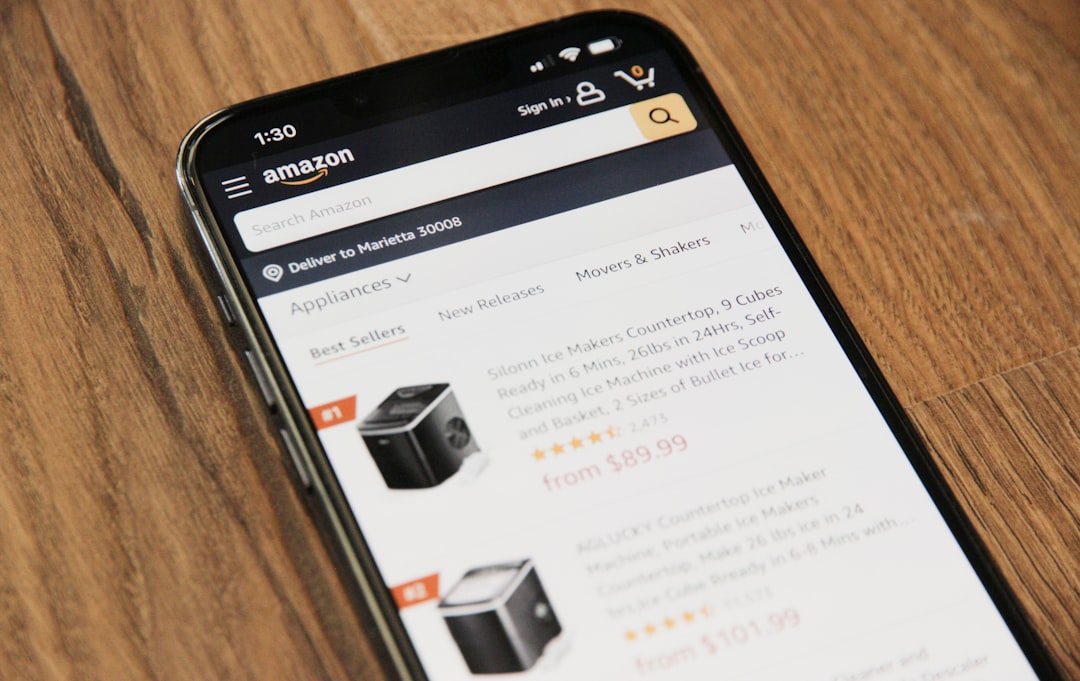
E-commerce scraping alternatives
Amazon is not the only source for product intelligence. Many teams compare Amazon data with Walmart, eBay, Target, Mercado Libre, Etsy, Best Buy, Google Shopping, and direct-to-consumer stores. This wider view can reduce blind spots.
Alternative data sources include:
- Retailer APIs: some marketplaces offer official catalog or seller APIs.
- Product data vendors: companies sell cleaned feeds with pricing, ASINs, categories, and stock signals.
- Search engine shopping results: useful for cross-retailer price comparison.
- Affiliate networks: sometimes provide product feeds with approved commercial use.
- Manual panels: small sample checks can validate automated data.
Expect to waste time on data matching. One product may have different titles, bundles, pack sizes, and model numbers across stores. A 12-pack on one site may match two 6-packs elsewhere. Without normalization, price comparisons can become misleading fast.
When scraping makes sense
Scraping is most useful when the data is public, the use case is narrow, and the team can maintain collection workflows. It works well for monitoring public product pages, collecting category snapshots, or checking price changes at set intervals.
It makes less sense when real-time accuracy is required every second. Amazon can change content by location and stock status. A scraped value from 9:00 a.m. may already be stale by noon. For mission-critical repricing, teams often need official seller tools, internal data, and strict validation.
A balanced project plan should define:
- Exact fields: price, rating, seller, rank, image, or review count.
- Frequency: hourly, daily, weekly, or one-time extraction.
- Markets: such as amazon.com, amazon.co.uk, or amazon.de.
- Accuracy target: for example, 95% field completion.
- Fallbacks: API, vendor feed, or manual review when pages fail.

Best practice: combine sources
The strongest Amazon data strategy is rarely one method. APIs provide trusted access where allowed. Scraping adds public page context. Data vendors shorten delivery time. Internal sales data adds proof of what matters commercially.
A brand could use SP API to monitor its own catalog health, a scraping provider to track buy box changes for 5,000 ASINs, and a price intelligence feed to compare Amazon with Walmart and Target. If each source is scored for freshness and accuracy, bad records can be flagged before reports reach decision-makers.
The main goal is not to collect everything. It is to collect the right data, with repeatable quality, a legal review, and a clear business use. That approach cuts noise and keeps Amazon data useful.
FAQ
Is it legal to scrape Amazon?
It depends on the data, location, method, and intended use. Legal review is strongly recommended. Public data collection can still create risk if it breaks terms, gathers personal data, or ignores access restrictions.
Which Amazon API is best for product data?
The Product Advertising API is best for affiliate-style product display. The Selling Partner API is best for authorized seller operations. Neither is ideal for broad competitor research.
Can scraping replace Amazon APIs?
Usually not. Scraping can fill gaps, but APIs are better for authorized, structured, and account-specific data. Many teams use both.
Why does Amazon scraping break so often?
Amazon changes page layouts, prices, availability, and regional content. Anti-bot systems can also block automated collection. Maintenance is part of the cost.
What is the best alternative to scraping Amazon directly?
A reputable product data provider is often the fastest alternative. Retailer APIs, affiliate feeds, and shopping search data can also help, depending on the project.