


Treat a video of someone getting shot as potential evidence, trauma material, and a human tragedy before you treat it as content. Do not repost it on impulse. Do not strip it of context. Do not show it to people without warning. The responsible approach is simple but strict: verify what you can, protect the people shown, reduce harm to viewers, and think hard about whether sharing the footage serves the public at all.
TLDR: Sensitive shooting footage should be handled with restraint, context, and clear warnings. For example, if a newsroom sees that 68% of viewers drop off within the first 10 seconds of graphic footage but comments show confusion about what happened, a written summary may serve the public better than replaying the clip. A safer user case: a local editor receives a 42-second phone video, confirms the date and location with two independent sources, blurs faces, removes autoplay, and publishes only still frames with a warning. The goal is not to hide reality; it is to avoid turning harm into spectacle.
First question: should the video be shared at all?
Not every real video deserves public distribution. A recording may show police conduct, armed conflict, self-defense claims, or public danger. It may also show a person’s final moments, a family’s worst day, or a bystander’s panic. Those facts deserve respect.
Before posting, ask:
- What public interest does this serve? Is it needed to prove misconduct, identify a suspect, correct false claims, or warn the public?
- Can the same facts be explained without showing the injury or death? Text, still images, diagrams, or short edited clips may be enough.
- Who could be harmed? The victim’s family, witnesses, minors, jurors, and already traumatized communities may all be affected.
- Could the video inflame violence? Graphic footage can trigger retaliation, harassment, or copycat behavior.
If the only reason to share is shock, outrage, or traffic, do not share it. That may sound blunt, but it needs to be. Viral attention is not the same as public value.
Verify before you amplify
A shooting video can travel fast with the wrong caption. Old footage gets attached to new events. Clips are cropped to hide what happened before or after. Audio may be added. Time stamps can be wrong. Honestly, it feels like people will spend 20 seconds reposting a clip and leave others to spend 20 hours cleaning up the damage.
Basic verification should include:
- Source checks: Who recorded it? Who sent it? Has the account posted reliable material before?
- Location checks: Compare buildings, street signs, weather, shadows, license plates, and landmarks.
- Time checks: Look for original upload time, emergency call logs, police statements, local reports, and witness posts.
- Editing checks: Watch for jump cuts, missing audio, altered speed, added captions, or cropped frames.
- Independent confirmation: Seek at least two separate sources before stating claims as fact.
Verification does not mean endorsing one side. It means being honest about what the video shows, what it does not show, and what remains unknown.
Use clear context, not emotional framing
A responsible caption should not accuse beyond the evidence. Avoid loaded phrases unless confirmed by official records, court filings, or reliable reporting. A video may show a gunshot. It may not show intent, prior threats, mental state, legal justification, or the full sequence of events.
Use language such as:
- “The video appears to show…”
- “Authorities have not confirmed…”
- “The moments before the recording began are not visible.”
- “This article does not identify the injured person because next of kin may not have been notified.”
Context should include available facts: date, general location, source of the footage, status of official investigation, and limits of verification. If facts change, update the post and mark the update clearly. Silent edits damage trust.
Protect the people shown
A person who has been shot is not a prop in a public argument. They may be alive, dying, or dead. Their family may first learn what happened through a feed. That is cruel when avoidable.
Use privacy safeguards:
- Blur faces of victims, minors, bystanders, medical workers, and private citizens unless there is a strong public reason not to.
- Remove identifying details such as addresses, school logos, license plates, and phone numbers.
- Mute names shouted in panic if families have not been notified.
- Avoid looping the moment of violence. Repetition can turn evidence into spectacle.
- Do not publish gore thumbnails. A preview image can harm people before they choose to watch.
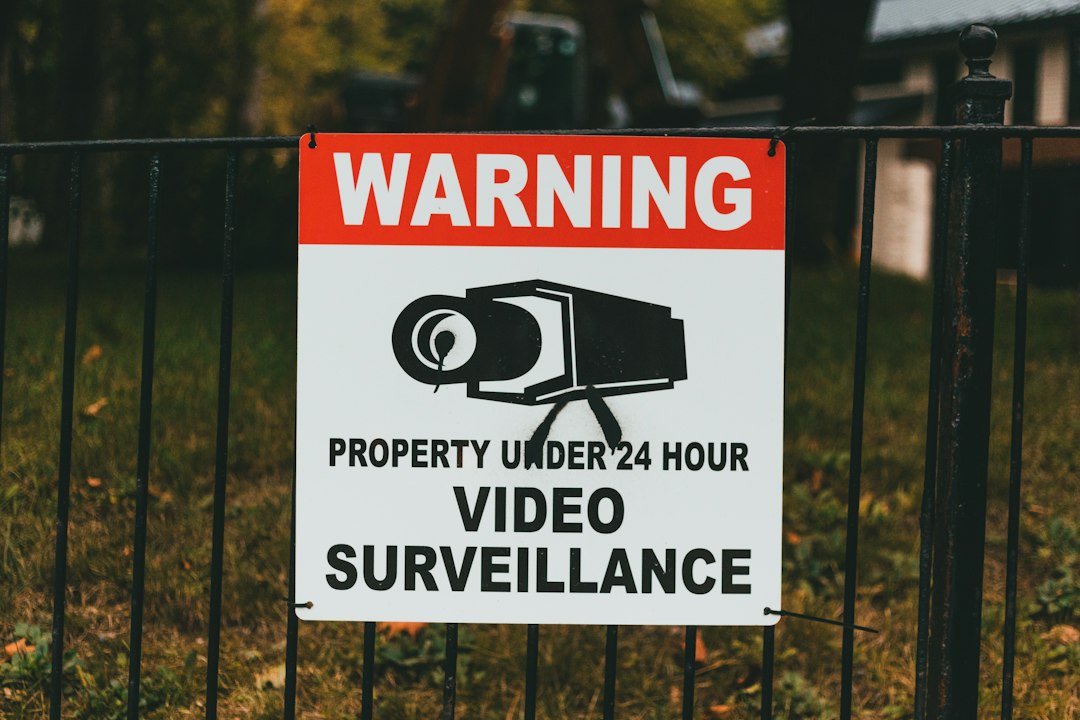
It drives me crazy that many platforms still push autoplay by default. A graphic clip can start in less than two seconds while someone is eating lunch, sitting with a child, or recovering from trauma. Turn autoplay off when possible. Add an interstitial warning screen for graphic material.
Give viewers real choice
A warning should be specific, not vague. “Viewer discretion advised” is weak. Say what the viewer may encounter, without lurid detail.
Better warnings include:
- “Warning: This report discusses a shooting and includes non graphic edited footage.”
- “Warning: The linked video shows a person being shot. It may be distressing.”
- “No graphic moment is shown in the embedded clip.”
Place the warning before the video, not below it. Do not use a shocking still image as the cover. Give a summary above the embed so people can decide whether they need to watch at all.
Viewer safety also means offering alternatives. Provide a transcript, timeline, or written description. For many readers, that is enough. For people documenting abuse or public violence, a downloadable evidence log may be more useful than a raw clip.
Consider trauma and community harm
Graphic shooting footage can affect viewers long after they close the tab. It can trigger anxiety, intrusive thoughts, anger, numbness, or fear. People who have survived violence may be hit hardest.
Communities already under heavy surveillance or frequent violence may also feel exploited when their pain is replayed for outsiders. Ask whether publication gives voice to those affected or simply extracts attention from them.
Responsible coverage may include:
- Links to local victim support services.
- Information about legal aid or witness reporting channels.
- A statement explaining why the footage was included.
- Contact details for corrections or takedown requests.
Newsrooms, moderators, and independent creators should also care for staff. Repeated review of violent footage can cause secondary trauma. Rotate review duties. Limit replay counts. Use still frames when possible. Take breaks without guilt.
Legal and evidentiary concerns
A video of someone getting shot may become evidence. Careless editing, compression, captions, or reposting can reduce its value. If you possess original footage, preserve the file. Keep metadata when possible. Record how and when it was received.
Do not encourage harassment of alleged shooters, witnesses, or families. Do not publish home addresses or private profiles. Do not claim guilt unless a court has decided it. Even when the footage seems clear, legal facts can be more complex than a clip.
If law enforcement requests footage, consider legal advice, newsroom policy, and local law. Journalists may have source protection rules. Private citizens may face different duties. When safety is urgent, contact emergency services first.

A practical publishing checklist
- Confirm public interest. If there is none, do not publish.
- Verify date, place, source, and sequence.
- State uncertainty clearly. Do not fill gaps with guesses.
- Blur or remove identifying details when exposure is not needed.
- Use a specific content warning before any image or video.
- Disable autoplay and avoid graphic thumbnails.
- Offer a text alternative for people who do not want to watch.
- Update openly when new facts emerge.
- Provide support resources when the footage may distress viewers.
The responsible standard is restraint with purpose. Show less when less is enough. Add context when context is missing. Protect dignity where dignity is at risk. A shooting video may reveal truth, but only careful handling keeps that truth from causing needless harm.