


The best social media forum strategy starts with a simple rule: join where the audience already asks real questions, then become useful before becoming promotional. Brands that treat forums as support desks, research labs, and community spaces tend to earn trust faster than brands that only post links.
TLDR: Social media forums help brands build community by answering questions, sharing expertise, and spotting audience needs early. A small software company, for example, might join three niche LinkedIn Groups and one Reddit community, answer 20 questions per month, and track a 15% lift in branded search after 90 days. The best forums have active members, clear rules, and conversations that match the brand’s expertise. Success depends on steady participation, not random posting.
What Social Media Forums Are
Social media forums are online spaces where people gather around shared interests, problems, roles, or industries. They can live inside major platforms, such as Facebook Groups, LinkedIn Groups, Reddit communities, Discord servers, Slack communities, Quora Spaces, X Communities, and niche industry boards.
Unlike a brand’s own social feed, a forum is usually built around conversation. Members ask for help, compare tools, complain about issues, recommend products, and share hard-won lessons. That makes forums useful for more than visibility. They reveal what customers actually care about when no sales page is in the room.
Honestly, it feels like many brands still treat forums as dumping grounds for blog links. That approach gets ignored, flagged, or banned. The better approach is slower but stronger: listen first, answer well, then earn attention.

How to Find the Right Social Media Forums
The right forum is not always the largest one. A group with 4,000 engaged members can be more valuable than a group with 200,000 silent accounts. The search should begin with audience behavior.
- Search social platforms: Use keywords tied to roles, problems, and interests. A payroll software company might search for “HR operations,” “small business payroll,” or “benefits administration.”
- Check Reddit and Quora: These platforms often surface blunt, practical questions. Members speak freely, which makes them useful for customer research.
- Review LinkedIn and Facebook Groups: These spaces can be strong for professional and local communities, especially in B2B, education, health, real estate, and small business sectors.
- Ask customers: Sales and support teams can ask, “Where does the team go for advice?” This often uncovers private Slack groups, Discord servers, or trade forums.
- Inspect competitor activity: If competitors answer questions in a forum, that may signal audience value. If they spam it, that may signal a chance to stand out by being helpful.
Search should focus on problems, not just product names. A cybersecurity firm might find better groups through “phishing training,” “SOC analyst,” or “ransomware response” than through “security software.”
How to Evaluate a Forum Before Joining
Not every active forum deserves a brand’s time. Some are noisy. Some are full of self-promotion. Some are so heavily moderated that useful brand participation becomes nearly impossible. The catch is that poor forums can consume hours and return nothing but notification clutter.
A practical evaluation can use five checks:
- Activity level: Are there fresh posts every day or every week? Do members comment, or do posts sit unanswered?
- Audience fit: Are members potential customers, partners, peers, creators, or decision-makers?
- Question quality: Are people asking real questions, or only sharing links and promotions?
- Moderation rules: Are rules clear? Do moderators remove spam? Healthy moderation protects serious discussion.
- Brand safety: Is the tone civil? Are there risky topics, harassment, or frequent misinformation?
A simple scoring model helps. A team can rate each forum from 1 to 5 on activity, relevance, trust, moderation, and business fit. Any forum scoring below 15 out of 25 should be watched, not prioritized. Forums scoring 20 or higher may deserve a 60-day test.
How to Participate Without Sounding Promotional
Participation should start with observation. For the first week, a brand representative can read top posts, study recurring questions, and save common phrases. This builds context and prevents tone-deaf replies.
After that, the representative can begin with comments, not posts. Comments are lower pressure. They show up where attention already exists. They also help the participant learn what the group values.
Strong forum participation often follows this pattern:
- Answer the exact question first. No long setup. No vague advice.
- Share examples. Specific details build trust. “A retailer cut response time from 18 hours to 6 hours” is stronger than “support improved.”
- Admit limits. If the brand has bias, say so. Trust rises when a person is clear about perspective.
- Avoid link drops. Links should appear only when they truly help and when rules allow them.
- Ask smart follow-up questions. This turns a reply into a conversation.
A useful formula is answer, explain, example, offer. The offer should be soft. For example: “If helpful, the team can share a checklist used for onboarding remote staff.” That sounds different from “Book a demo now.”
How Forums Build Communities
Community grows when members recognize helpful names. A brand does not need to own the forum to become part of the community. It needs consistency, manners, and useful knowledge.
Teams should assign one or two real people to represent the brand. A faceless company profile often feels cold. A named expert, such as a support lead, product manager, founder, or strategist, can build stronger ties.
Forum participation can also lead to brand-owned communities. If the same questions appear again and again, the brand may create a monthly live Q&A, a private customer group, or a resource hub. The outside forum becomes a listening post. The owned community becomes a deeper relationship channel.
Still, communities should not be treated like captive audiences. Members can tell when every “discussion” is really a sales funnel. It drives people mad when a group promises peer advice but every reply points to a pricing page.
How to Share Expertise the Right Way
Expertise works best when it is practical. Forum members rarely want theory first. They want steps, warnings, templates, examples, and quick fixes.
Good expert contributions include:
- Checklists: “Five checks before choosing an email platform.”
- Decision guides: “When to use a freelancer vs. an agency.”
- Mini case studies: “How one clinic reduced missed appointments by 22%.”
- Tool comparisons: Clear pros and cons without trashing competitors.
- Mistake lists: “Three onboarding errors that slow new hires.”
The best experts sound generous, not superior. They avoid jargon when plain words work. They also give credit to other members. That creates goodwill and keeps the brand from dominating the room.

How to Grow Brand Awareness Through Forums
Brand awareness in forums grows through repeated usefulness. Members may not click the first reply. They may not click the fifth. But by the tenth helpful answer, a name starts to stick.
To measure this, teams should track both direct and soft signals:
- Referral traffic: Visits from forum links, when links are allowed.
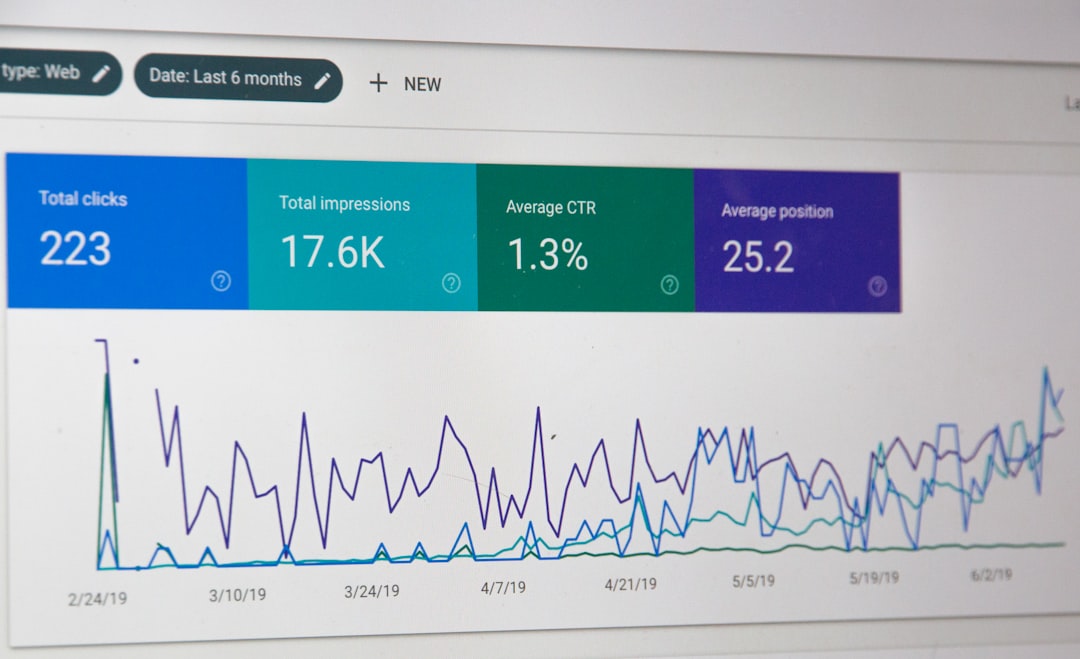
- Branded search: More searches for the company name after sustained activity.
- Mentions: Members tagging or recommending the brand without being asked.
- Engagement rate: Replies, reactions, and saved comments.
- Lead quality: Conversations that turn into trials, calls, signups, or partnerships.
A 90-day pilot is usually enough to test value. For example, a marketing agency might join five forums, focus on two after 30 days, and aim for 40 useful replies per month. If direct traffic rises by 10%, two members request proposals, and branded mentions begin to appear, the channel is working.
Common Mistakes to Avoid
- Posting before reading: This causes rule violations and awkward tone.
- Using the same reply everywhere: Members notice copy-paste answers fast.
- Arguing with critics: Calm clarification works better than defensiveness.
- Ignoring moderators: Moderators shape trust. Respecting them matters.
- Tracking only clicks: Forums often build trust before they create traffic.
FAQ
What is a social media forum?
A social media forum is an online community inside or connected to a social platform where members discuss shared interests, questions, or problems.
Which social media forums are best for brands?
The best forums depend on the audience. B2B brands often use LinkedIn Groups, Slack communities, and Reddit. Consumer brands may find value in Facebook Groups, Discord, Reddit, and niche communities.
How often should a brand participate?
Consistent weekly activity works best. A small team can start with three to five thoughtful replies per week in each priority forum.
Can brands promote products in forums?
Only when rules allow it and when the promotion fits the discussion. Helpful answers should come first. Direct promotion should be rare.
How long does it take to see results?
Most brands need 60 to 90 days to spot early results. Trust takes time, but useful participation can improve mentions, referrals, and search interest.