

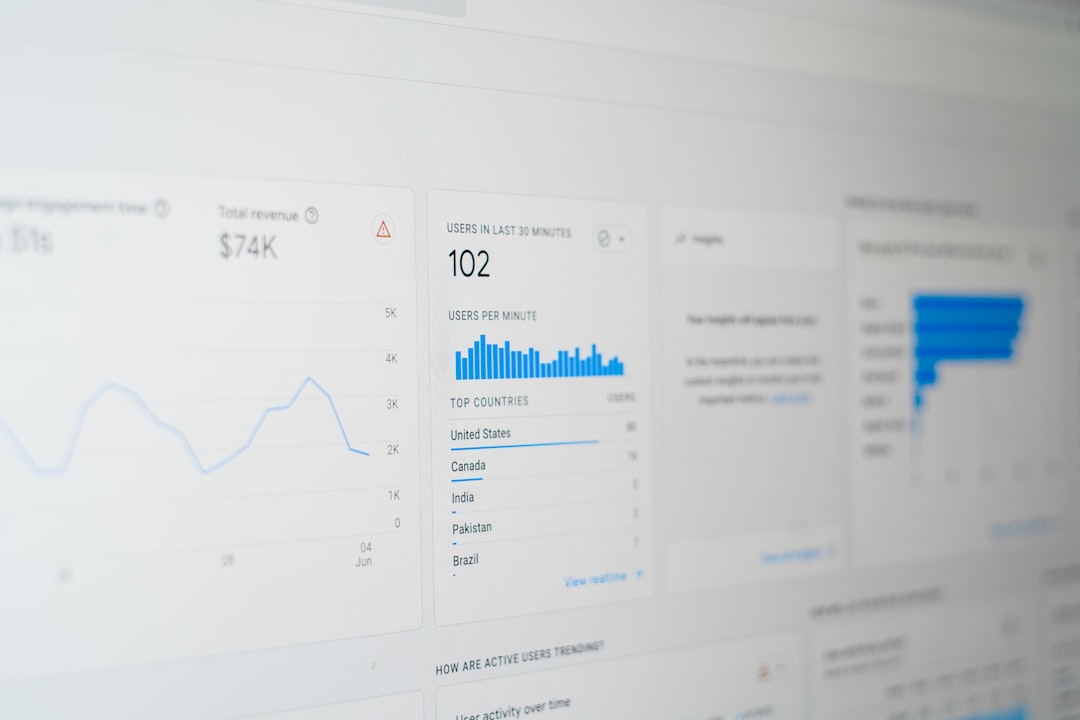
Paid advertising can give a website a traffic boost fastest when the platform matches the audience, offer, and budget. Search ads work well for buyers with intent. Social ads help brands create demand. Native, video, and display platforms can expand reach once the basics are working.
TLDR: A small business should usually start with Google Ads for search intent, then test Meta Ads or TikTok Ads for broader reach. For example, a local fitness site spending $600 per month might see 1,200 paid visits, a 3.5% signup rate, and 42 new leads if the offer is clear. The best platform is not the flashiest one. It is the one that sends visitors who actually take action.
Best Advertising Platforms for Website Traffic Growth
Website traffic from ads is not magic. It is rented attention. A site owner pays for clicks, views, or conversions, then studies what happens after visitors arrive. If the landing page is weak, the money disappears fast. Honestly, it feels like many ad platforms make setup look simple, then hide the useful controls three screens deep.
The strongest results usually come from matching traffic quality with visitor intent. A person searching “emergency plumber near me” is very different from someone scrolling past a video about home repairs. Both can become customers, but they need different ads and pages.
1. Google Ads
Google Ads is often the first stop for businesses that need visitors with clear buying intent. Search campaigns place ads above organic results when people type specific keywords. This makes it useful for service providers, ecommerce stores, software firms, and local businesses.
The main strength is timing. A visitor reaches the site while already looking for a product, answer, or provider. That can lead to better conversion rates than cold traffic from social platforms.
- Best for: local services, ecommerce, SaaS, lead generation, urgent needs.
- Common pricing: cost per click.
- Main benefit: strong purchase intent.
- Common annoyance: keyword costs can rise quickly in crowded markets.
A good starting setup includes exact match keywords, negative keywords, call extensions, and separate landing pages for major services. It drives marketers mad when broad match burns through a daily budget by noon on loose searches. Careful setup matters.
2. Microsoft Advertising
Microsoft Advertising places ads across Bing, Yahoo, AOL, and partner placements. It gets less attention than Google, but that can be useful. Less competition can mean lower click costs in some industries.
This platform often performs well with older audiences, B2B buyers, financial services, and professional niches. A company already running Google Ads can import campaigns into Microsoft Advertising and adjust bids, budgets, and keywords.
- Best for: B2B, finance, education, software, professional services.
- Main benefit: often cheaper clicks than Google.
- Watch for: lower search volume.
3. Meta Ads
Meta Ads covers Facebook, Instagram, Messenger, and Audience Network placements. It is strong for visual products, lifestyle brands, courses, events, and retargeting campaigns.
Meta is not always built around instant intent. Many visitors are not searching for a product. They are scrolling. This means creative quality matters. A weak image or dull hook can ruin the campaign before the landing page gets a chance.
- Best for: ecommerce, events, coaching, fashion, beauty, food, creators.
- Common pricing: cost per click, cost per thousand impressions, conversion bidding.
- Main benefit: strong targeting and retargeting options.
- Common flaw: ad approvals and account reviews can be painfully slow.
For traffic campaigns, Meta should still be judged by post-click behavior. A cheap click is not useful if visitors leave after three seconds. Website owners should track bounce rate, scroll depth, add-to-cart actions, form fills, and sales.
4. TikTok Ads
TikTok Ads can create sharp traffic spikes, especially for brands with short, visual, or entertaining offers. It works well for beauty, fitness, apps, gadgets, food, fashion, and low-cost impulse products.
The platform rewards native-looking videos. Polished corporate ads often feel out of place. A direct demo, quick before-and-after, or creator-style review may perform better than a studio commercial.
- Best for: younger audiences, visual products, app installs, trend-friendly brands.
- Main benefit: fast reach and strong video discovery.
- Watch for: inconsistent traffic quality if targeting is too broad.
TikTok traffic should be sent to fast pages. Mobile visitors will not wait. If a page takes five seconds to load, the campaign may lose buyers before the product appears.
5. LinkedIn Ads
LinkedIn Ads is usually more expensive, but it can be valuable for B2B website traffic. Its targeting by job title, company size, industry, seniority, and skills makes it useful for high-value offers.
LinkedIn rarely makes sense for low-ticket consumer products. The click cost can feel brutal. Still, one qualified lead for enterprise software or consulting may justify the spend.
- Best for: B2B services, software, recruitment, webinars, reports.
- Main benefit: precise professional targeting.
- Common drawback: high cost per click.
6. Reddit Ads
Reddit Ads can send highly targeted traffic when campaigns are matched to the right communities. The platform works best when the offer respects the audience. Reddit users can spot lazy promotion instantly.
Useful campaigns often promote tools, guides, research, games, tech products, finance content, or niche ecommerce items. The tone should be plain and useful, not overproduced.
- Best for: niche products, SaaS, gaming, tech, finance, hobby communities.
- Main benefit: interest-based targeting around active discussions.
- Watch for: skeptical users and blunt feedback.
7. Pinterest Ads
Pinterest Ads can work well for evergreen traffic. Users often search for ideas, plans, products, and inspiration. This gives Pinterest a longer shelf life than many social platforms.
It is especially strong for home décor, weddings, fashion, recipes, crafts, travel, fitness, beauty, and digital products. Promoted Pins can keep sending visitors after the first burst of paid promotion.

- Best for: lifestyle brands, blogs, ecommerce, seasonal products.
- Main benefit: discovery traffic with search-like behavior.
- Watch for: creative quality and seasonal timing.
8. Native Advertising Platforms
Native ad platforms such as Taboola and Outbrain place sponsored content on publisher sites. These ads often appear below articles or in content recommendation sections.
Native ads can drive large traffic numbers, but the quality varies. They work best for advertorials, lead magnets, quizzes, finance offers, health content, and content-heavy funnels. Direct product pages may struggle if the visitor is still in reading mode.
- Best for: content funnels, lead generation, finance, health, newsletters.
- Main benefit: high-volume traffic.
- Common risk: low engagement if headlines overpromise.
How a Website Owner Should Choose
The right platform depends on the goal. If the site needs sales today, search ads may be the safest test. If the brand needs awareness, social video may help. If the audience is professional, LinkedIn or Microsoft may fit better.
A simple testing plan works best:
- Pick one main goal: traffic, leads, sales, trials, bookings, or email signups.
- Set a test budget: enough for useful data, not so much that a bad setup hurts.
- Create one focused landing page: one offer, one message, one action.
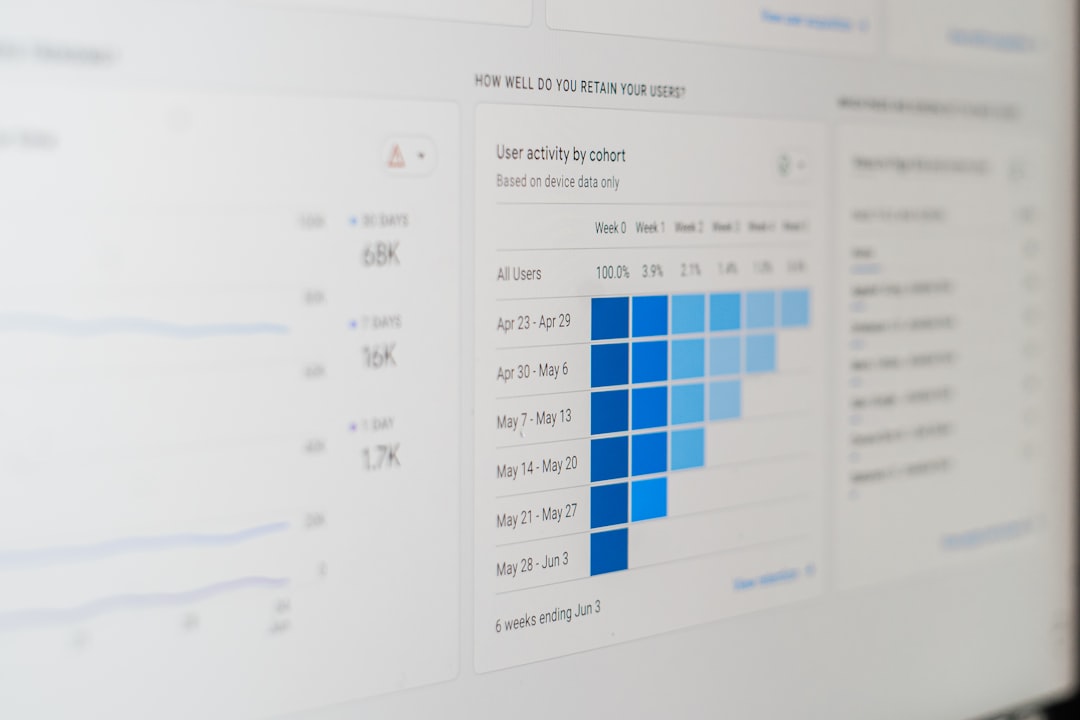
- Track key numbers: cost per click, conversion rate, cost per lead, revenue.
- Pause weak ads fast: keep winners, remove waste.
For many small sites, a 30-day test budget of $500 to $2,000 can reveal patterns. A campaign that sends 2,000 visitors with a 1% conversion rate creates 20 actions. Raising the rate to 3% creates 60 actions without buying more traffic. That is why landing page work matters as much as ad buying.
FAQ
Which advertising platform is best for quick website traffic?
Google Ads is often the best for quick traffic with purchase intent. Meta Ads and TikTok Ads can also send traffic fast, especially for visual or consumer-focused offers.
What is the cheapest platform for website traffic?
Costs vary by niche. Microsoft Advertising, Reddit Ads, and Pinterest Ads may offer lower click costs in some markets. Cheap clicks should still be judged by conversions, not volume alone.
How much should a business spend to test paid traffic?
A small website can often start with $500 to $1,000 for a focused test. Competitive industries may need more. The campaign should run long enough to collect useful data.
Are paid ads better than SEO?
Paid ads bring traffic faster. SEO can build lower-cost traffic over time. Many successful websites use both, with ads for testing offers and SEO for long-term growth.
What should be tracked after visitors arrive?
Important metrics include bounce rate, session time, form fills, purchases, cart actions, email signups, and cost per conversion. Traffic only matters when it supports business goals.