

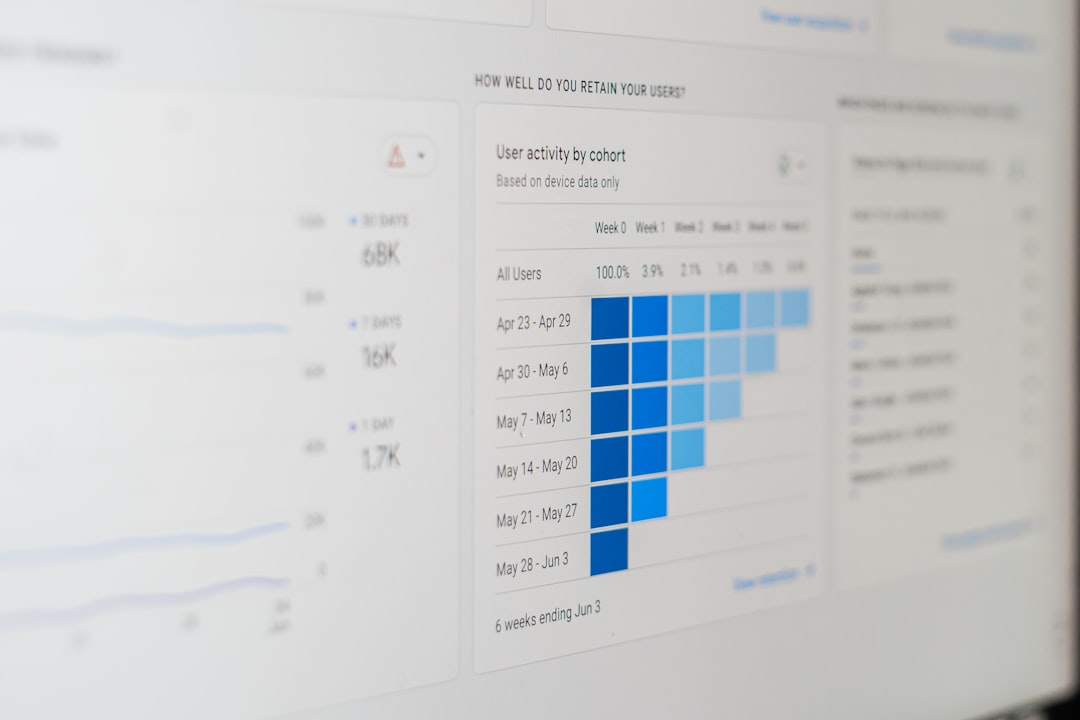
Choose SEO link building tools by testing whether they improve qualified prospect discovery, outreach control, link monitoring, and competitor insight without creating messy data you cannot trust. A strong platform should save hours, reduce bad pitches, and help your team earn links that support rankings and referral traffic. The best tool is not always the one with the largest database. It is the one that fits your workflow, your risk tolerance, and your reporting needs.
TLDR: Evaluate link building tools by running a short trial with real campaigns, not demo data. For example, test 100 prospects, send 30 approved outreach emails, and track how many replies, live links, and disqualified domains appear after 14 days. If one platform finds 22 relevant sites with clean contacts while another finds 45 weak targets and 12 dead emails, the smaller output is probably more valuable. Prioritize accuracy, workflow speed, monitoring reliability, and competitor gap analysis over flashy dashboards.
What a Serious Link Building Tool Should Actually Do
Link building software should support four core jobs: prospecting, outreach, monitoring, and competitive research. If a product is weak in one area, that may be fine. But you need to know where the weakness sits before you build a process around it.
Too many teams buy tools because the interface looks polished. Then they discover the export is messy, contact data is stale, or campaign reporting takes longer than expected. Honestly, it feels like some tools are built to impress during a sales call rather than survive daily use by an SEO team.
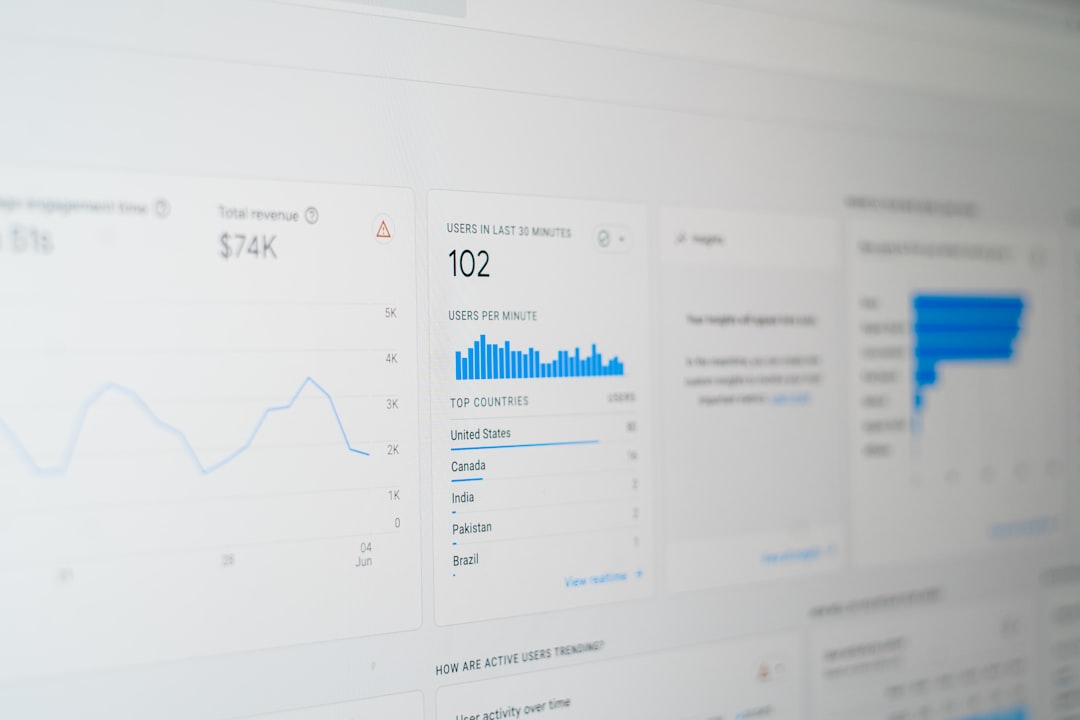
1. Prospecting: Measure Relevance Before Volume
Prospecting tools help you find sites that may link to your content. Common sources include competitor backlinks, resource pages, guest post footprints, journalist databases, and unlinked brand mentions.
Do not judge prospecting by raw volume. A list of 10,000 domains means little if most are off-topic, low quality, or impossible to contact. A better test is simple: take the first 100 results from the tool and manually score them.
- Topical fit: Does the site cover your industry or a closely related subject?
- Authority and trust: Are metrics supported by real traffic, real authors, and natural backlink patterns?
- Link intent: Has the site linked to similar resources before?
- Contact availability: Can you find an editor, author, or relevant inbox?
- Risk signals: Does the site sell links openly or publish thin sponsored content at scale?
A good platform should allow filtering by language, geography, domain rating, estimated traffic, page type, anchor text, and link status. It should also let you remove duplicates quickly. Expect to waste time on tools that count the same domain again and again through different URLs.
2. Outreach: Control Matters More Than Automation
Outreach tools manage email sending, personalization, follow ups, templates, and response tracking. The goal is not to blast more people. The goal is to contact the right people with a message that sounds credible.
Evaluate outreach platforms by checking how well they support human review. Can your team approve each email before sending? Can you insert custom notes from the prospecting stage? Can you stop follow ups automatically when someone replies?
Look closely at deliverability features. Serious tools should support SPF, DKIM, DMARC guidance, sending limits, inbox rotation, bounce detection, and unsubscribe handling. If the tool encourages aggressive bulk sending without safeguards, treat that as a risk.
Useful outreach reporting includes:
- Delivery rate, separated from open rate.
- Bounce rate, with hard and soft bounces split out.
- Reply rate, including positive, neutral, and negative replies.
- Conversion rate, from sent email to live link.
- Time to response, so teams know when follow ups stop helping.
Be careful with open rates. Privacy changes and email client behavior can distort the number. A 60% open rate may look good, but it does not matter much if only 1% of recipients reply and none publish links.
3. Monitoring: Your Links Are Not Permanent
Link monitoring tools check whether earned links remain live, followed, indexed, and pointed to the correct URL. This is where many teams get surprised. A link won last quarter can be removed, changed to nofollow, redirected, canonicalized away, or buried on a page that no longer gets indexed.
A reliable monitoring platform should check links on a regular schedule and alert you only when action is needed. Noise is a real problem. If a tool sends 40 alerts because a server timed out for a few seconds, your team will start ignoring all alerts. That defeats the purpose.

When testing monitoring features, verify these items:
- Live status: Is the linking page accessible?
- Link presence: Is your backlink still on the page?
- Link attribute: Is it followed, nofollow, sponsored, or UGC?
- Target URL: Does the link still point to the intended page?
- Anchor text: Has the anchor changed?
- Indexability: Is the linking page blocked, canonicalized, or noindexed?
Ask how often checks run. Daily checks may be useful for high value campaigns. Weekly checks may be enough for smaller programs. Also ask whether historical records are preserved. You need proof when reporting link loss to clients or senior management.
4. Competitive Research: Find Gaps, Not Just Backlinks
Competitive research platforms show where competitors are earning links. The best use is not copying every backlink. It is finding repeatable patterns.
Look for tools that identify link intersections. If three competitors have links from the same industry directory, association, podcast, or resource page, that source may be worth reviewing. If a competitor earned 80 links from one digital PR campaign, study the campaign topic, coverage type, and timing.
Use competitor data to answer practical questions:
- Which pages attract the most links in this market?
- Which content formats earn editorial mentions?
- Which publications link to several competitors but not to us?
- Are competitors using guest contributions, data studies, tools, partnerships, or PR?
- Which links appear risky or paid?
Do not assume every competitor link is worth pursuing. Some backlink profiles are full of old directories, coupon pages, scraper sites, and obvious paid placements. A serious tool should help you separate useful patterns from junk.
Key Evaluation Criteria Before You Buy
Use a scorecard before committing to a platform. This keeps the decision grounded in evidence rather than preference.
| Category | What to Check | Why It Matters |
|---|---|---|
| Data quality | Freshness, duplicate rates, false positives | Bad data wastes outreach hours |
| Workflow speed | Filtering, tagging, approvals, exports | Small delays scale into major cost |
| Integrations | Email, CRM, spreadsheets, analytics tools | Disconnected tools create reporting gaps |
| Reporting | Campaign results, live links, lost links, ROI | Stakeholders need clear outcomes |
| Compliance | Unsubscribe handling, data privacy, user roles | Risk control matters at scale |
Run a Practical Trial
A trial should mirror real work. Pick one campaign, one target market, and one content asset. Then compare tools against the same task.
For example, give each platform two hours to find prospects for a research report. Score the first 100 prospects. Then send approved outreach to 30 contacts from each tool. After two weeks, compare valid contacts, replies, positive replies, links earned, and time spent cleaning data.
This simple test often reveals the truth. One tool may produce more prospects but require 90 minutes of cleanup. Another may produce fewer records but save your team from chasing irrelevant blogs and dead inboxes.

Pricing and Fit
Pricing should be judged against team capacity and campaign value. A solo consultant may need accurate exports and basic monitoring. An agency may need user permissions, client workspaces, white label reporting, and approval workflows. An enterprise team may need API access, audit logs, procurement support, and strict data controls.
Watch for limits on rows, credits, users, email accounts, monitored links, and historical data. These limits can change the real cost quickly. A tool priced at a moderate monthly fee may become expensive once you add contact credits and extra seats.
Final Buying Advice
The right SEO link building platform should make your team more selective, not just busier. Favor tools that improve decision quality, reduce manual checking, and show what happened after outreach was sent. If a platform cannot prove cleaner prospects, safer outreach, reliable monitoring, or better competitor insight during a controlled trial, keep searching. Link building is hard enough without paying for software that adds friction.