

Recover more abandoned carts by sending a short, useful email sequence within the first 24 hours, then following up with proof, urgency, and a clear reason to return. Most shoppers do not hate your product. They got distracted, compared prices, hesitated over shipping, or simply left the tab open and forgot. A good cart recovery email brings them back without sounding desperate.
TLDR: Send the first cart recovery email within 1 hour, the second after 12 to 24 hours, and a final reminder within 48 to 72 hours. Keep the message focused on the abandoned items, use one clear call to action, and add trust signals like reviews, free returns, or secure checkout. For example, a store with 1,000 abandoned carts per month and a 10% recovery rate can win back 100 orders; if the average order value is $65, that is $6,500 in recovered revenue.
Why Cart Recovery Emails Still Work
Cart abandonment is not a small leak. For many ecommerce brands, it is the biggest one. Industry studies often place average cart abandonment around 70%, though the exact number depends on product type, price, device, and traffic source.
The good news is simple: these shoppers already showed intent. They clicked. They browsed. They added items. That makes them warmer than a new visitor from an ad. A recovery email is not a cold pitch. It is a timely reminder with context.
The catch is that many brands ruin it by sending bland emails like “You left something behind” with no product image, no reassurance, and no reason to act. That is a missed chance.

The Best Timing for Cart Recovery Emails
Timing matters because intent fades quickly. Wait too long and the shopper may buy elsewhere. Send too many messages too fast and you become annoying. A simple three email sequence usually works best.
- Email 1: Send within 30 to 60 minutes. This should be a helpful reminder. No discount yet unless your brand relies on discounts heavily.
- Email 2: Send after 12 to 24 hours. Add social proof, address objections, and remind the shopper what they liked.
- Email 3: Send after 48 to 72 hours. Use urgency, a small incentive, or a final nudge.
If your product has a longer buying cycle, such as furniture or higher priced electronics, stretch the timing. For impulse buys, move faster. For subscription products, use extra education before the discount.
Template 1: The Simple Reminder
This is the first email. Keep it short. The shopper should know exactly what to do in three seconds.
Subject line: Still thinking it over?
Preview text: Your cart is saved, if you want to take another look.
Hi {{ first_name }},
You left a few items in your cart. We saved them for you, so you can pick up right where you stopped.
{{ product_name }}
Questions before you order? Just reply to this email. We are happy to help.
Why it works: It does not push too hard. It lowers friction. It reminds the customer that help is available.
Template 2: The Objection Handler
The second email should answer the quiet doubts that stop people from buying. Shipping costs, delivery times, sizing, returns, and payment security are common blockers.
Subject line: A quick note about your cart
Preview text: Free returns, secure checkout, and your items are still waiting.
Hi {{ first_name }},
Your cart is still saved. If you were unsure, here are a few details that may help:
- Free returns within 30 days
- Secure checkout with encrypted payment processing
- Fast shipping with tracking included
- Customer support if you need help choosing
Ready to finish your order?
Why it works: It gives shoppers the facts they need. No drama. No guilt trip.
Template 3: The Final Nudge
The third email is where you can add urgency or a limited offer. Use care. If shoppers learn that waiting always earns a discount, they will wait every time.
Subject line: Last chance to save your cart
Preview text: Complete your order today and get 10% off.
Hi {{ first_name }},
Your cart is about to expire. If you still want your items, now is a good time to finish your order.
Use code SAVE10 at checkout for 10% off. Valid for the next 24 hours.
If you changed your mind, no worries. We just did not want you to miss it.
Why it works: It gives a real reason to return. It also lets the shopper leave gracefully, which keeps the brand feeling human.
Subject Lines That Get Opened
Subject lines should be clear before they are clever. A shopper should instantly understand why the email exists.
- “You left something in your cart”
- “Your cart is saved”
- “Still interested?”
- “Complete your order before it sells out”
- “Need help with your order?”
- “Take another look at your picks”
Avoid fake urgency. If inventory is not low, do not say it is. Shoppers notice. Trust is hard to win back once it is gone.
What Every Cart Recovery Email Should Include
A strong recovery email is practical. It removes effort. It gives reassurance. It makes the next click obvious.
- Product image: Show the exact item left behind. Visual memory is powerful.
- Product name and price: Do not make people guess.
- Direct cart link: Send shoppers back to the filled cart, not the homepage.
- One main button: Use copy like “Return to cart” or “Complete checkout.”
- Trust signals: Reviews, return policy, delivery details, and payment security help reduce doubt.
- Support option: A simple reply line can save sales from confused buyers.
It drives me crazy when email platforms hide the preview text field behind three clicks. That tiny line can lift opens, yet teams skip it because the tool makes it feel like an afterthought. Do not skip it. Preview text often decides whether the email gets opened or ignored.
Personalization That Actually Helps
Personalization should make the email more useful, not creepy. Use the customer’s first name if you have it. Show the items they abandoned. Mention size, color, or variant when relevant.
You can also segment by cart value. A shopper with a $35 cart may only need a reminder. A shopper with a $400 cart may need financing options, warranty information, or a stronger trust message.
New customers and returning customers should not always get the same email. Returning customers may respond well to loyalty points or a reminder of past purchases. New customers may need reviews and return policy details.
Discounts: Helpful, but Risky
Discounts can increase conversions, but they can also train bad behavior. Use them with rules.
- Do not offer a discount in the first email unless price sensitivity is part of your brand strategy.
- Use smaller incentives first, such as free shipping or a small percentage off.
- Exclude low margin products if the discount hurts profit.
- Test discount versus no discount before assuming one is better.
Sometimes free shipping beats 10% off, especially when shipping costs were the reason for abandonment. If analytics show many exits at the shipping step, fix the root issue too. Email can recover sales, but it should not cover up a painful checkout.
Conversion Best Practices
Small changes can make a big difference. Start with these:
- Optimize for mobile. Many shoppers abandon carts on phones. Buttons must be easy to tap.
- Keep copy short. The cart is the focus, not your brand story.
- Use product photos. A plain text reminder can work, but images often pull shoppers back faster.
- Match the landing page. The cart link should restore items, quantities, promo codes, and selected variants.
- Stop the sequence after purchase. Nothing feels sloppier than a recovery email sent after someone paid.
- Test one thing at a time. Try subject lines, timing, CTA text, or discount type separately.
Metrics to Track
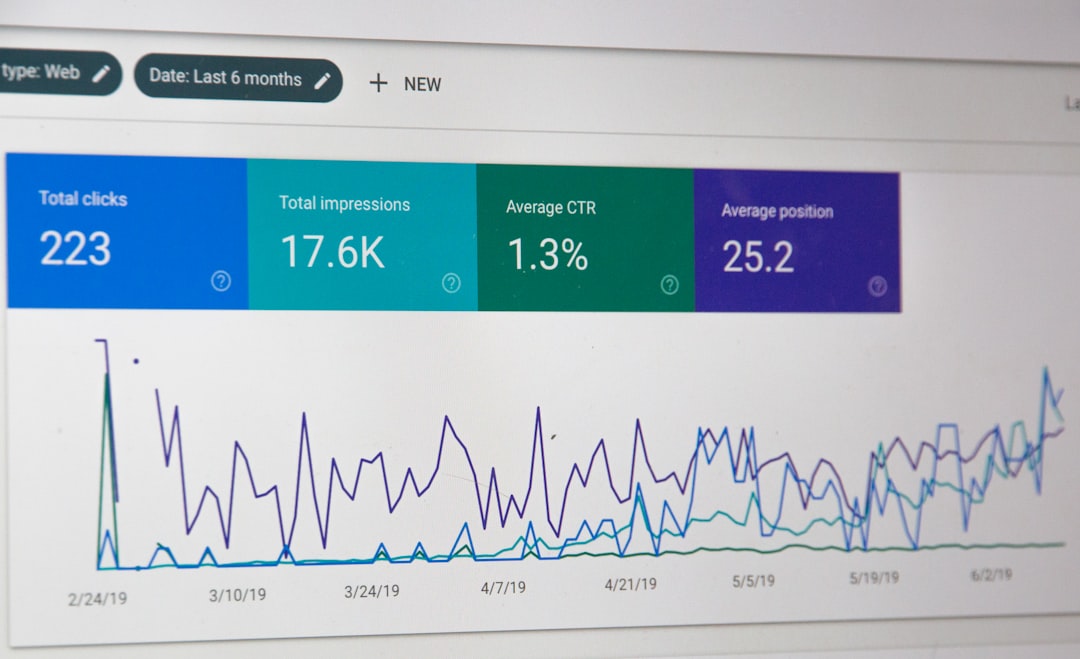
Do not judge cart recovery by open rate alone. Opens are useful, but revenue matters more.
- Recovery rate: Percentage of abandoned carts that turn into orders.
- Revenue recovered: Total sales from the sequence.
- Click through rate: How many readers return to the cart.
- Conversion after click: How well your checkout closes the sale.
- Unsubscribe rate: A warning sign that timing or tone is off.
A healthy campaign might recover 5% to 15% of abandoned carts, depending on brand strength, offer, and product type. If you are below that, check deliverability, timing, cart links, and checkout friction before rewriting everything.
Common Mistakes to Avoid
- Sending only one email. Many shoppers need more than one reminder.
- Starting with a discount too soon. This cuts margin and teaches customers to wait.
- Using vague CTAs. “Shop now” is weaker than “Return to your cart.”
- Ignoring shipping objections. Hidden fees are a major reason carts die.
- Using too much urgency. Fake scarcity damages trust.
Cart recovery emails work best when they feel like service, not pressure. Send fast, stay useful, show the cart clearly, and make checkout easy. Do that well, and abandoned carts become one of the most profitable email flows in your store.