


Organic traffic rarely happens by accident. Behind every blog post that quietly brings in visitors month after month is a research process: understanding what people search for, why they search for it, and what kind of content deserves to rank. Content research is how you turn vague ideas into topics with measurable demand, realistic ranking potential, and a clear business purpose.
TLDR: To find topics that drive organic traffic, start with audience questions, validate them with keyword data, study search intent, and prioritize ideas based on opportunity. For example, a small accounting blog might discover that “tax deductions for freelancers” gets 4,400 monthly searches and has lower competition than “tax tips,” making it a smarter target. If one well-optimized article converts just 2% of 1,000 monthly visitors into email subscribers, that is 20 new leads from a single piece of content.
Start With the Audience, Not the Keyword Tool
Many content teams begin research by opening a keyword tool and typing in broad terms. That can work, but it often leads to generic topics everyone else is already targeting. A better first step is to understand your audience’s real problems.
Look for questions in places where your audience naturally talks:
- Customer support tickets: What problems come up repeatedly?
- Sales calls: What objections or comparisons do prospects mention?
- Online communities: Reddit, Quora, niche forums, Slack groups, and LinkedIn comments can reveal language people actually use.
- Product reviews: Reviews of your product and competitors’ products often contain pain points, desired features, and frustrations.
- Internal search data: If your website has search functionality, review what visitors are typing into it.
This stage helps you build a list of raw topic ideas. For instance, a project management software company may notice users asking, “How do I stop tasks from falling through the cracks?” That could become several search-friendly topics, such as “task management best practices,” “how to track project tasks,” or “project management checklist.”

Validate Ideas With Keyword Research
Once you have audience-driven ideas, use keyword research to confirm whether people search for them at scale. Tools such as Google Keyword Planner, Ahrefs, Semrush, Moz, Ubersuggest, and Google Search Console can help you estimate volume, competition, and related terms.
When reviewing keywords, pay attention to more than monthly search volume. A keyword with 20,000 searches per month may be extremely competitive or too broad to attract buyers. A keyword with 500 searches per month may be easier to rank for and more likely to convert.
Key metrics to consider include:
- Search volume: How many people search for this topic each month?
- Keyword difficulty: How hard will it be to rank on the first page?
- Cost per click: High CPC can indicate commercial value.
- Trend direction: Is interest growing, stable, or declining?
- Related keywords: Can one article target a cluster of similar queries?
Do not ignore long-tail keywords. These are longer, more specific search phrases, such as “best CRM for small real estate teams” instead of “CRM.” They usually have lower volume, but they often reveal stronger intent. Someone searching a specific phrase is usually closer to taking action.
Understand Search Intent Before You Write
Search intent is the reason behind a query. If you misread intent, your content may fail even if the keyword looks perfect. Google wants to show results that satisfy what the searcher is trying to do.
Most search intent falls into four categories:
- Informational: The user wants to learn something, such as “how to write a press release.”
- Navigational: The user wants a specific website or brand, such as “Google Analytics login.”
- Commercial: The user is comparing options, such as “best email marketing tools.”
- Transactional: The user is ready to act, such as “buy standing desk online.”
The easiest way to analyze intent is to search the keyword yourself and examine the top-ranking results. Are they how-to guides, product pages, listicles, comparison articles, templates, or videos? If the top results are all beginner guides, publishing a sales page may not work. If the results are product comparisons, a purely educational article may miss the mark.
For example, “content calendar” might seem like a simple informational topic. But the search results may include templates, software tools, and downloadable spreadsheets. That means users likely want something practical, not just a definition. A stronger article might include a guide, examples, and a free template-style structure.
Study Competitors Without Copying Them
Competitor analysis is one of the quickest ways to find proven topics. Look at websites in your niche that already receive organic traffic. Which pages bring them visitors? Which keywords do they rank for? Which content formats appear repeatedly?
The goal is not to duplicate their articles. The goal is to identify gaps and opportunities. If every top-ranking article is 2,000 words but none includes current data, expert quotes, screenshots, or examples, you have a chance to create something better.
Ask these questions as you review competing content:
- What subtopics do they cover?
- What questions do they leave unanswered?
- Is the information outdated?
- Can you make the content more practical or easier to understand?
- Can you add original examples, data, visuals, or expert insight?
Build Topic Clusters Instead of One-Off Posts
Publishing random articles can generate traffic, but it rarely builds authority. A stronger strategy is to create topic clusters: groups of related articles connected around a central theme.
For example, a fitness website might create a main guide called “Strength Training for Beginners.” Supporting articles could include:
- “Beginner Strength Training Routine”
- “How Many Days a Week Should You Lift Weights?”
- “Best Strength Exercises for Beginners”
- “Strength Training vs Cardio for Weight Loss”
- “Common Weightlifting Mistakes”
Each supporting article links back to the main guide, and the main guide links to each supporting piece. This structure helps users navigate your site and helps search engines understand your expertise around the topic.
Prioritize Topics With a Simple Scoring System
Not every good idea should be written immediately. To make content research actionable, score each topic before adding it to your editorial calendar.
You can rate topics from 1 to 5 in four areas:
- Traffic potential: How much search demand exists?
- Ranking difficulty: How realistic is it for your site to compete?
- Business value: Does the topic attract people who may become customers?
- Content quality opportunity: Can you create something better than what already ranks?
A topic with modest search volume but high business value may deserve higher priority than a broad topic with huge volume and weak relevance. For example, “how to choose payroll software for a 20 person company” may attract fewer searches than “payroll,” but the audience is far more specific and commercially valuable.
Use Google Search Console for Hidden Opportunities
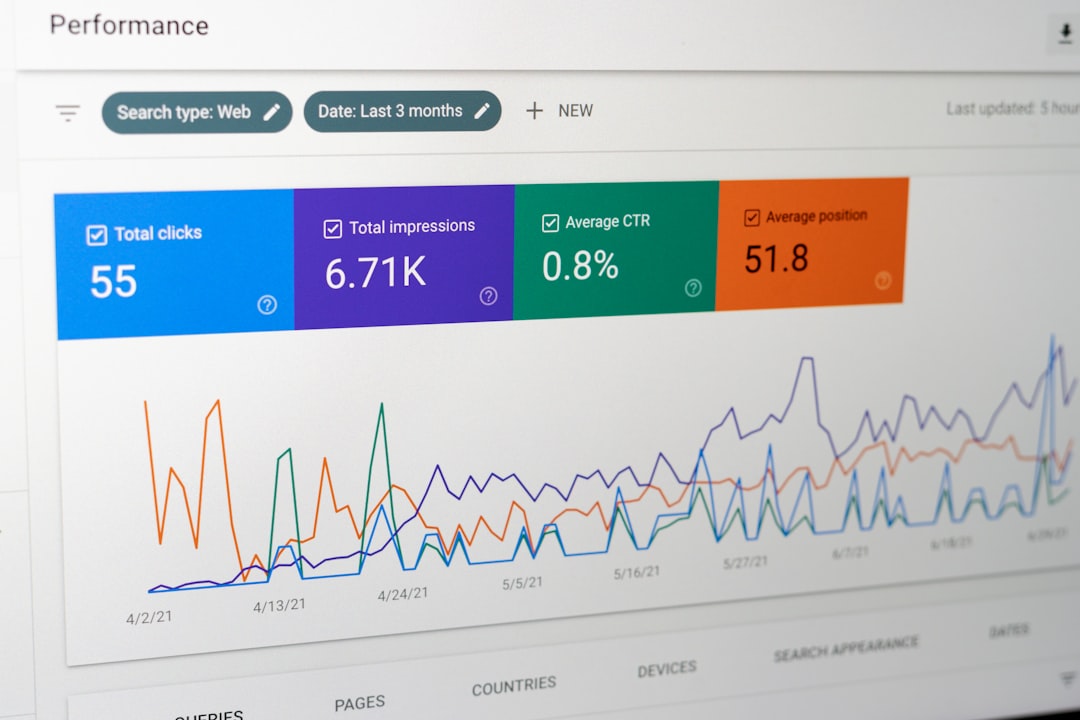
If your site already gets impressions from Google, Google Search Console is one of your best research tools. It shows queries your pages appear for, even when they do not yet rank well.
Look for keywords where your page ranks in positions 8 to 20. These are often “striking distance” opportunities. Improving the content, adding missing sections, strengthening internal links, or updating the title tag can sometimes move a page onto the first page.
Also look for queries with high impressions but low click-through rates. This may indicate that your title or meta description is not compelling enough, or that your content does not fully match the query.

Turn Research Into Better Content Briefs
Research only becomes valuable when it shapes the content. Before writing, create a brief that includes the target keyword, secondary keywords, search intent, suggested title, audience pain points, required sections, internal links, and examples to include.
A strong brief prevents thin, unfocused content. It also helps writers understand what the article must accomplish. Instead of saying, “Write about email marketing,” a research-based brief might say, “Create a beginner guide to email marketing strategy for small ecommerce stores, with steps, examples, tool considerations, and common mistakes.”
Measure Results and Refresh Regularly
Content research does not end when the article is published. Track performance over time. Organic traffic often takes weeks or months to grow, so measure progress using impressions, rankings, clicks, engagement, conversions, and backlinks.
Refresh older content regularly, especially if rankings decline. Update statistics, improve introductions, add new examples, answer new questions, and remove outdated advice. Sometimes refreshing an existing page is faster and more effective than publishing a new one.
Final Thoughts
The best organic traffic topics sit at the intersection of audience need, search demand, ranking opportunity, and business relevance. Keyword tools are useful, but they are only part of the process. Real content research combines data, empathy, competitive insight, and strategic prioritization.
If you consistently choose topics people care about, match the right intent, and create content that is genuinely more helpful than what already exists, organic traffic becomes less mysterious. It becomes a repeatable system.