

Digital wallets have become everyday payment tools, but their security models are not identical. When comparing Apple Pay and PayPal, the question is not simply which brand is safer, but which system reduces risk in a specific payment situation. Apple Pay is usually stronger for device-based card payments, while PayPal offers broad online protection and account-based convenience.
TLDR: Apple Pay is generally more secure for in-store, in-app, and tap-to-pay card transactions because it uses tokenization, device-level encryption, and biometric authentication. PayPal is still secure, especially when two-factor authentication is enabled, but it depends more heavily on account login protection. For example, if a shopper pays $75 at a café with Apple Pay, the merchant does not receive the actual card number; with PayPal, the transaction is protected, but the PayPal account itself remains a valuable target for phishing attacks.
How Apple Pay Protects Payments
Apple Pay is built around the idea that a merchant should not need access to the customer’s real credit or debit card number. When a card is added to Apple Pay, the actual card number is not stored on the device or Apple’s servers in a way that is used for purchases. Instead, Apple Pay creates a device-specific token, often called a device account number.
When a payment is made, Apple Pay sends this token along with a unique transaction cryptogram. That means even if payment data were intercepted, it would be extremely difficult to reuse. Each transaction is designed to be valid only once.
Apple Pay also requires authentication through Face ID, Touch ID, or a device passcode. This makes it harder for someone to use Apple Pay after stealing a phone, assuming the phone is locked and protected properly.
How PayPal Protects Payments
PayPal works differently. It is primarily an account-based payment platform. A user logs into PayPal and can pay using a linked bank account, card, PayPal balance, or other funding source. This design is convenient because PayPal can be used on millions of websites without directly entering card details at every checkout.
PayPal protects transactions with encryption, fraud monitoring, buyer protection policies, and optional security features such as two-factor authentication and passkeys. It can also help shield card or bank details from merchants, which is one reason it remains popular for online purchases.
However, PayPal’s biggest weakness is that the account login becomes a central point of risk. If a criminal tricks an account holder through a phishing email or obtains login credentials from a data breach elsewhere, the PayPal account may be exposed unless additional protections are enabled.
Key Security Differences
- Authentication: Apple Pay usually requires biometric or passcode approval on the physical device. PayPal often relies on passwords, although passkeys and two-factor authentication improve this significantly.
- Card exposure: Apple Pay does not share the real card number with merchants. PayPal also hides card details from merchants, but the PayPal account itself can connect to multiple funding sources.
- Transaction design: Apple Pay uses one-time transaction codes. PayPal uses account-based authorization and fraud detection systems.
- Device dependency: Apple Pay is tied closely to Apple devices. PayPal works across many devices, browsers, and platforms, which increases convenience but may broaden the attack surface.
Is Apple Pay More Secure for In-Person Purchases?
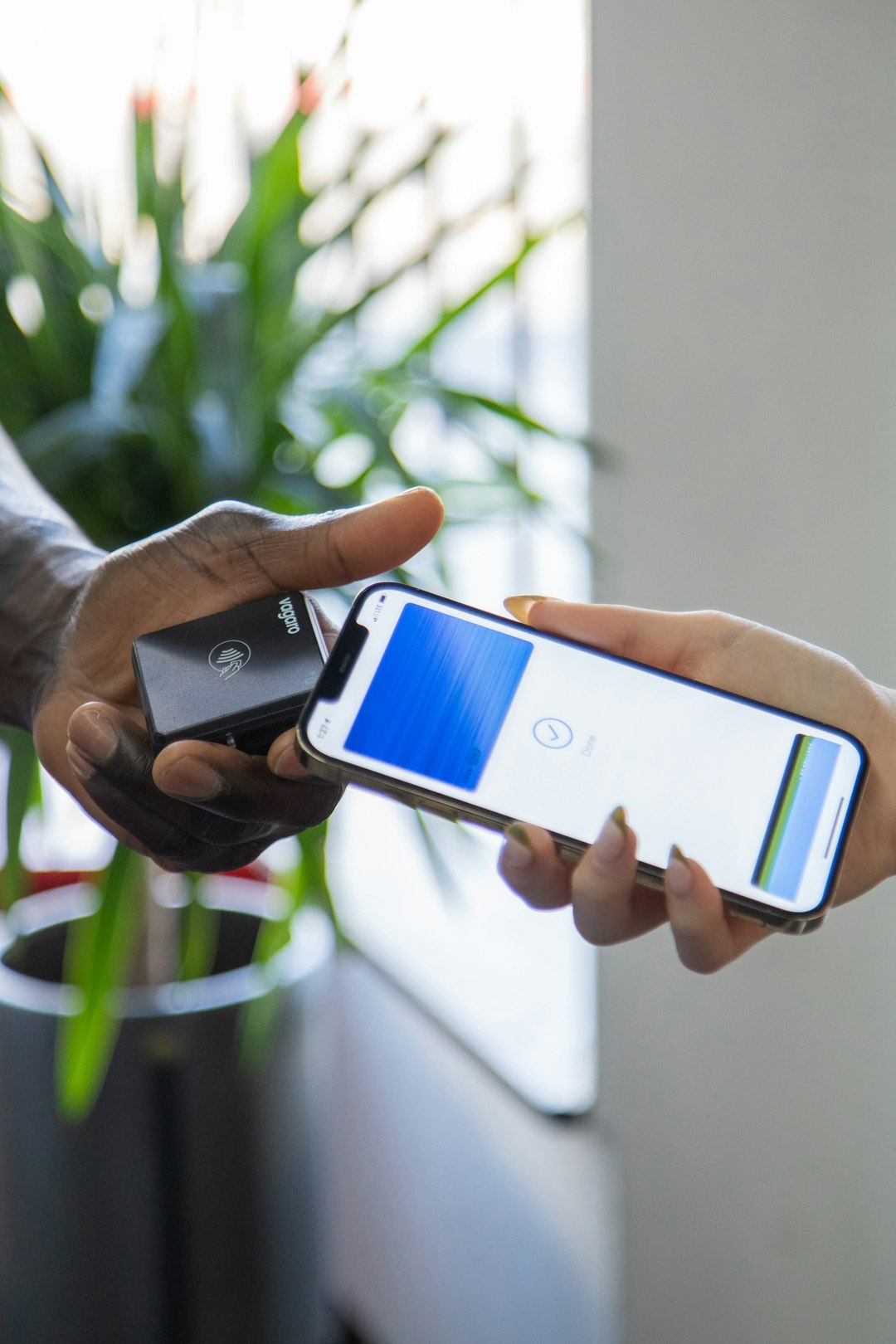
For tap-to-pay purchases at physical stores, Apple Pay is usually considered more secure than swiping or inserting a card, and often more secure than account-based payment methods. The merchant never receives the actual card number, and the payment is approved only after local device authentication.
This is especially useful in places where card skimming or compromised terminals are a concern. Since Apple Pay uses near-field communication and tokenized credentials, a copied transaction cannot simply be reused. In a typical retail scenario, Apple Pay reduces both card exposure and the chance of a stolen card number being used later.
Is PayPal More Secure for Online Shopping?
PayPal can be very secure for online shopping, particularly on websites that a buyer does not fully trust. Since PayPal can prevent the merchant from seeing the buyer’s card or bank information, it creates a protective layer. PayPal’s buyer protection may also help in certain disputes, such as items that never arrive or products that differ significantly from the listing.
That said, PayPal security depends heavily on account hygiene. A weak password reused across sites can make PayPal vulnerable. If two-factor authentication is not enabled, a stolen password may be enough to create serious problems. Apple Pay, by contrast, usually requires access to the physical Apple device and successful biometric or passcode authentication.

Fraud and Phishing Risks
Phishing is one area where PayPal faces more visible risk. Because PayPal is widely used, scammers frequently imitate PayPal emails, login pages, and payment notifications. A fake message may claim that an account is locked, a payment failed, or a refund is waiting. If the account holder enters credentials on a fake page, the attacker may gain access.
Apple Pay is less vulnerable to this exact type of account phishing because payments are tied to a device and authenticated locally. However, Apple users can still be targeted through Apple ID scams, fake support messages, or attempts to gain access to the device passcode. No payment system eliminates the need for cautious behavior.
Privacy Comparison
Apple Pay has a strong privacy advantage in many payment situations. Apple states that it does not store transaction information that can be tied back to the user for Apple Pay purchases in stores. The payment network, card issuer, and merchant still process the payment, but Apple’s role is limited.
PayPal, on the other hand, acts as an intermediary account provider. It necessarily records transaction history, merchant information, and account activity. This is not automatically unsafe, but it means PayPal has more direct visibility into purchases than Apple Pay generally does.
When PayPal May Be the Better Choice
Security is not the only factor. PayPal may be better when a person needs platform flexibility, international payments, subscriptions, invoices, or buyer protection. It is also widely used for marketplace transactions, freelance payments, and purchases from smaller online sellers.
For example, a shopper buying a used camera from an online marketplace may appreciate PayPal’s dispute process. In that case, PayPal’s account-based model provides a form of transaction support that Apple Pay does not always offer directly.
When Apple Pay May Be the Better Choice
Apple Pay is often better for everyday retail spending, transit, restaurant payments, and app purchases. If a user has an iPhone or Apple Watch and a participating bank, Apple Pay offers a fast and highly secure checkout experience.
The most important advantage is that Apple Pay minimizes the spread of sensitive card data. A card number entered into many websites can be stored, leaked, or stolen. Apple Pay reduces that risk by replacing the card number with a token and requiring secure device authentication.
Which Is More Secure Overall?
Overall, Apple Pay is generally more secure for direct card payments because of its combination of tokenization, biometric authentication, and device-specific transaction codes. It is particularly strong for contactless payments and checkout flows that support Apple Pay directly.
PayPal is still a safe and mature payment system, especially when users enable two-factor authentication, use strong unique passwords, and avoid phishing traps. Its strength lies in online convenience, dispute options, and broad merchant acceptance. However, because PayPal accounts can be accessed from many devices and browsers, they require more active account management.
The most accurate conclusion is that Apple Pay has the stronger technical security model for payment authorization, while PayPal provides a broader account and purchase-protection ecosystem. A cautious consumer may use both: Apple Pay for daily purchases and PayPal for online transactions where buyer protection or merchant separation is especially useful.
FAQ
Is Apple Pay safer than PayPal?
In many cases, yes. Apple Pay is usually safer for card-based payments because it uses tokenization, one-time transaction codes, and biometric or passcode authentication.
Can Apple Pay be hacked?
No system is impossible to attack, but Apple Pay is difficult to compromise directly. Most risks involve stolen devices, weak passcodes, social engineering, or compromised Apple ID credentials rather than Apple Pay’s payment technology itself.
Can PayPal be hacked?
PayPal accounts can be compromised if login details are stolen, reused, or entered on phishing websites. Strong passwords, passkeys, and two-factor authentication greatly reduce this risk.
Does Apple Pay share a real card number with merchants?
No. Apple Pay uses a token instead of the real card number, so merchants do not receive the actual card details during supported transactions.
Does PayPal offer better buyer protection than Apple Pay?
Often, yes. PayPal may provide buyer protection for eligible purchases, while Apple Pay is mainly a secure payment method rather than a dispute-resolution service.
Which should be used for everyday purchases?
For everyday in-store and app-based purchases, Apple Pay is usually the stronger security choice. For online marketplaces, subscriptions, or purchases where dispute support matters, PayPal may be more practical.