

A construction summary gives project stakeholders a clear snapshot of what has happened, what is currently happening, and what requires attention on a building project. It may be used for daily reporting, weekly updates, executive reviews, contractor coordination, or closeout documentation. When written well, it helps owners, managers, architects, engineers, and subcontractors make decisions without searching through long emails, drawings, schedules, and site notes.
TLDR: A construction summary is a concise report that captures project progress, key activities, schedule status, costs, risks, and next steps. Templates make the process faster by giving teams a consistent structure for reporting. Good examples are clear, factual, organized, and supported by photos, dates, percentages, and action items. The best summary is brief enough to read quickly but detailed enough to guide decisions.
What Is a Construction Summary?
A construction summary is a structured overview of a construction project during a specific period or at a specific milestone. It can describe work completed, delays, safety incidents, budget updates, inspections, approvals, material deliveries, labor activity, and upcoming tasks. In many organizations, it acts as the central communication document between the site team and the client or senior management.
Unlike a full technical report, a construction summary is not meant to include every detail. Instead, it highlights the most important information. For example, a superintendent may use a daily summary to record weather conditions and site manpower, while a project manager may prepare a weekly summary showing schedule variance, change orders, and critical issues.
Why Construction Summaries Matter
Construction projects often involve many moving parts. Labor, equipment, design changes, procurement, permits, inspections, and weather can all affect progress. A consistent summary helps reduce confusion and provides a reliable record of decisions and events.
The main benefits include:
- Improved communication: Stakeholders receive the same information in the same format.
- Better accountability: Responsibilities, deadlines, and unresolved issues are easier to track.
- Faster decision making: Key risks and delays are visible before they become larger problems.
- Documented project history: Summaries create a useful record for claims, audits, handover, and closeout.
- Professional reporting: A polished template helps the project team present information clearly and consistently.
Common Types of Construction Summary Templates
Different projects require different formats. A small residential renovation may need a simple one-page update, while a commercial project may require detailed weekly reporting. The following templates are commonly used across the industry.
1. Daily Construction Summary Template
A daily construction summary records site conditions and activities for a single workday. It is often prepared by a superintendent, foreman, or site manager. Typical sections include:
- Project name and location
- Date and reporting period
- Weather and site conditions
- Labor and subcontractors present
- Equipment used
- Work completed
- Material deliveries
- Safety observations or incidents
- Delays, interruptions, or visitor logs
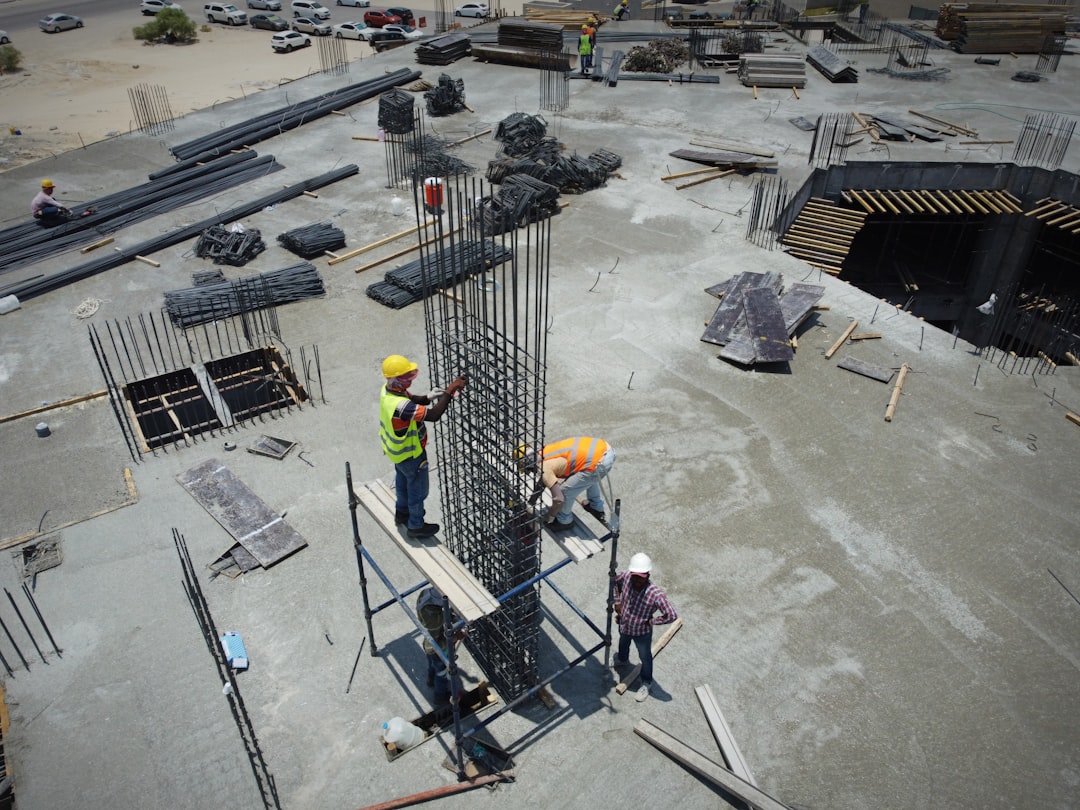
Example: “Concrete placement for Level 2 slab was completed between 8:00 a.m. and 2:30 p.m. Twenty-two workers were on site, including concrete crew, rebar crew, and pump operator. No safety incidents were reported. Afternoon rain caused a one-hour cleanup delay.”
2. Weekly Construction Progress Summary Template
A weekly summary is broader and more strategic. It usually compares actual progress against the planned schedule. It may also include a percentage of completion for each major phase.
Example sections may include:
- Executive overview: A short statement about overall project status.
- Completed work: Major tasks finished during the week.
- Work in progress: Active site operations.
- Schedule status: On track, ahead, or delayed.
- Budget status: Approved costs, pending changes, and cost concerns.
- Risks and issues: Items requiring attention.
- Next week’s plan: Upcoming milestones and activities.
Example: “The project remains generally on schedule, with structural steel installation reaching 65 percent completion. Electrical rough-in started in the east wing. The main risk is a delayed air handling unit delivery, currently expected to affect mechanical room installation by three business days.”

3. Executive Construction Summary Template
An executive summary is designed for owners, investors, directors, or clients who need high-level information. It usually avoids excessive technical language and focuses on progress, cost, schedule, major risks, and decisions required.
A strong executive construction summary may include:
- Overall status: Green, yellow, or red rating
- Schedule performance: Major milestones and delays
- Financial performance: Budget used and forecast cost
- Quality and safety: Key results or concerns
- Decisions needed: Approvals, changes, or owner actions
Example: “The project is rated yellow due to procurement delays affecting interior finishes. Overall completion is estimated at 48 percent. The approved budget remains stable, although two pending change orders require review. No lost-time injuries have been reported this month.”
4. Project Closeout Summary Template
A closeout summary is prepared near the end of construction. It helps confirm whether the project has met contract requirements and identifies remaining obligations. This summary may be shared with the owner, facilities team, warranty department, and consultants.
Typical closeout sections include:
- Final project status
- Punch list items
- Testing and commissioning results
- As-built drawings and manuals
- Warranty information
- Certificates, permits, and approvals
- Final payment and change order status
How to Write an Effective Construction Summary
An effective construction summary should be clear, accurate, and easy to scan. It should not read like a long diary. Instead, it should present facts in a logical order.
The writer should begin with the most important project status information, then provide supporting details. Dates, quantities, percentages, and specific locations make the summary more useful. For example, “drywall installation continued” is less helpful than “drywall installation reached 80 percent completion on Levels 3 and 4.”
Good construction summaries also separate facts from opinions. If a delay has occurred, the report should explain the cause, impact, and planned response. A statement such as “roofing contractor delayed by missing substrate inspection; impact estimated at two days; recovery plan under review” is more useful than “roofing is behind.”
Simple Construction Summary Sample
Project: Northside Office Renovation
Reporting Period: May 6–10
Overall Status: On schedule with minor procurement concern
Work Completed: Demolition of existing partitions was completed on Level 1. Mechanical rough-in began in the conference area. Electrical conduit installation reached approximately 40 percent completion.
Schedule: The project remains aligned with the baseline schedule. Flooring installation is still planned for the week of May 20.
Budget: No major cost variance was reported. One pending change order for additional data outlets is under client review.
Risks: Delivery of selected ceiling tiles may be delayed by one week. The procurement team is checking alternate approved products.
Next Steps: Complete electrical rough-in, begin wall framing inspections, and confirm ceiling tile availability.

Best Practices for Templates
Construction summary templates should be simple enough for regular use but complete enough to support decision making. A template that is too complicated may not be filled out consistently. A template that is too brief may miss important project risks.
Useful template practices include:
- Using consistent headings for every report
- Adding status indicators such as on track, at risk, or delayed
- Including action items with owners and due dates
- Attaching relevant photos when visual proof is helpful
- Keeping language professional, factual, and concise
- Reviewing the summary before distribution to avoid errors
A construction summary works best when it becomes part of a regular reporting routine. Daily reports may support field control, weekly summaries may guide management, and executive summaries may help leadership understand the overall project health.
FAQ
What should a construction summary include?
It should include project identification, reporting period, completed work, schedule status, budget notes, risks, safety updates, action items, and upcoming work.
How long should a construction summary be?
The length depends on the audience. A daily field summary may be one page, while a weekly management summary may be two to five pages. The content should remain concise and relevant.
Who prepares a construction summary?
It may be prepared by a superintendent, project manager, site engineer, contractor, or construction administrator, depending on the project structure.
How often should construction summaries be issued?
Daily summaries are common for active job sites. Weekly summaries are often used for client and management updates. Monthly summaries may be suitable for executive reporting.
What makes a construction summary effective?
An effective summary is factual, organized, timely, and easy to understand. It highlights progress, risks, decisions, and next steps without overwhelming the reader.